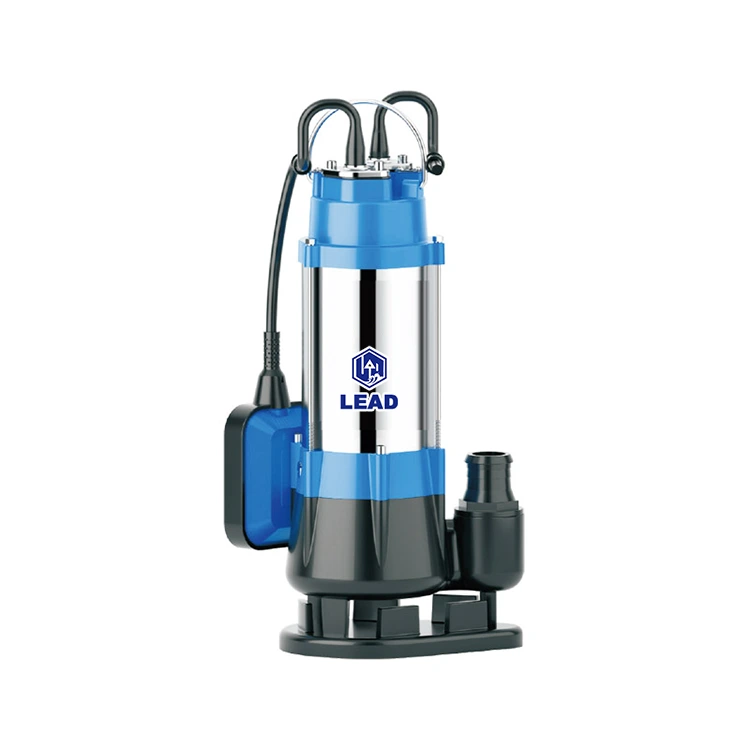
Reliable irrigation starts with the right pumping solution. Learn how to select the ideal deep well pump for agricultural performance, efficiency, and long-term durability.
Selecting the right deep well pump for your farm is one of the most critical decisions you will make as an agricultural operator. Your irrigation system depends on reliable water delivery, and the wrong pump choice can lead to frequent breakdowns, excessive energy bills, or insufficient water supply during the peak growing season. Whether you are running a small family farm or a large commercial operation, understanding the key factors behind pump selection will save you time, money, and frustration.
Understanding Your Water Source and Well Characteristics
Before you even begin comparing pump models, you need to fully understand the well you are working with. The two most important metrics are well depth and static water level.
Well depth determines how far the pump must lower into the borehole. A shallow well of 20-30 meters demands a very different pump than a deep well exceeding 100 meters. For the latter, you will need a high head pump capable of overcoming substantial vertical lift.
Static water level refers to the distance from ground level to the water surface when the well is not being pumped. During operation, this level will drop to the pumping water level, which is the dynamic height you need to design around. If your well has a slow recharge rate, the water level can drop significantly during heavy irrigation, and you will need a pump specifically designed for low water level operation.
A pump that runs dry due to low water conditions can suffer catastrophic damage. Always check the pump's specifications for minimum submergence depth and consider models with dry-run protection.
Head Pressure: The Most Important Technical Parameter
Head pressure, measured in meters (m), is the total vertical lift your pump must overcome. This is not simply the depth of the well. You must calculate total dynamic head (TDH), which includes:
Vertical lift from the pumping water level to the surface
Friction losses through pipes, fittings, and valves
Pressure required at the delivery point (e.g., sprinkler system or storage tank)
For most farm applications, a pump rated at 60-120 meters of head is sufficient for moderate depths. However, if your well is deeper than 80 meters or your irrigation system requires high pressure, you should look for a high head pump with ratings of 150 meters or more.
A simple rule of thumb: add 10-20% margin to your calculated TDH to account for future well drawdown and pipe aging.
Flow Rate: Matching Supply to Demand
Flow rate is expressed in cubic meters per hour (m³/h) or gallons per minute (GPM). Your flow requirement depends on the size of your operation, crop type, and irrigation method.
Crop Type
Typical Water Need
Recommended Flow
Grains & Cereals
Moderate
5-15 m³/h
Vegetables & Fruits
High during fruiting
10-25 m³/h
Orchards & Vineyards
Drip irrigation
3-10 m³/h
Large-scale center pivot
Very high
30-80 m³/h
Do not oversize your pump thinking bigger is always better. An oversized pump running at partial capacity wastes electricity and accelerates wear. Match the pump's best efficiency point (BEP) to your typical operating flow for maximum energy savings over the pump's lifespan.
Power Supply: Grid Electricity vs. Solar
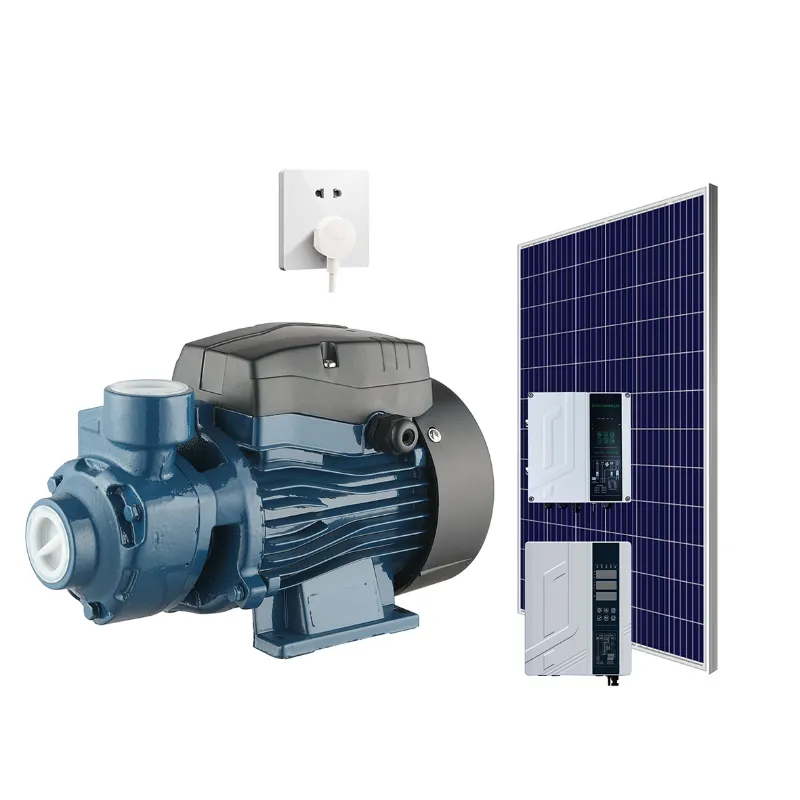
One of the first decisions is how you will power your deep well pump. This choice is heavily influenced by your farm location and local energy costs.
AC Submersible Pump
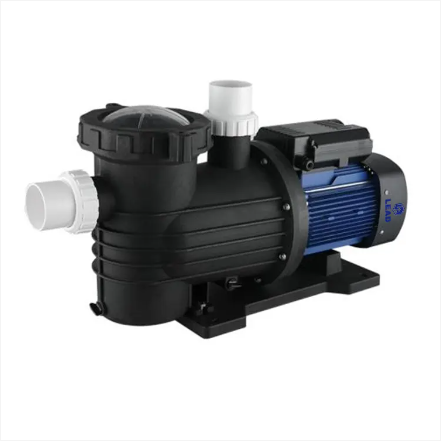
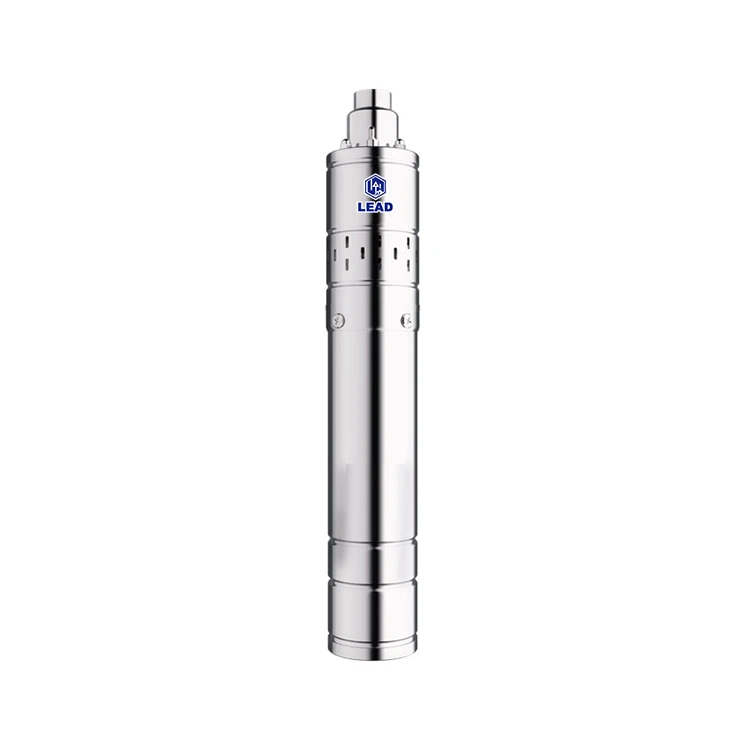
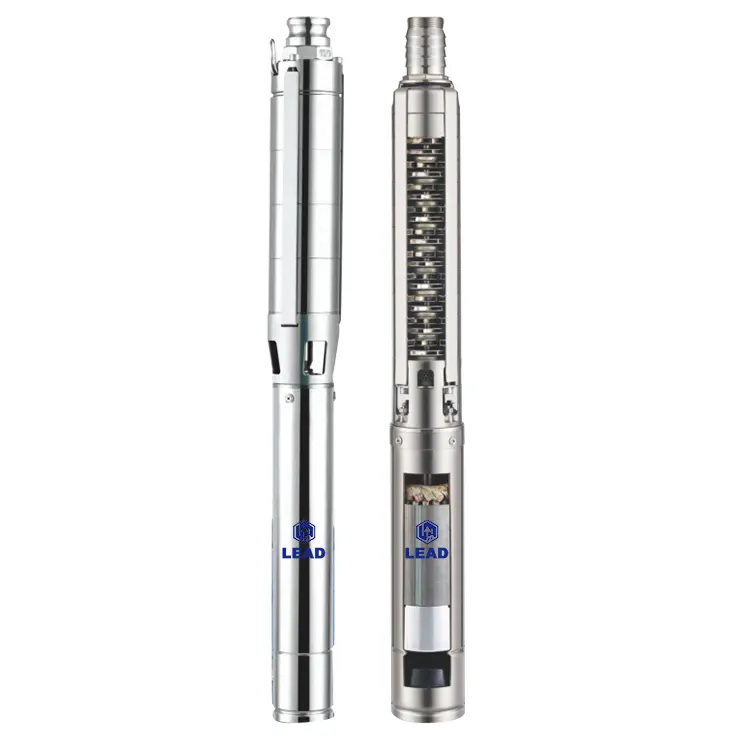
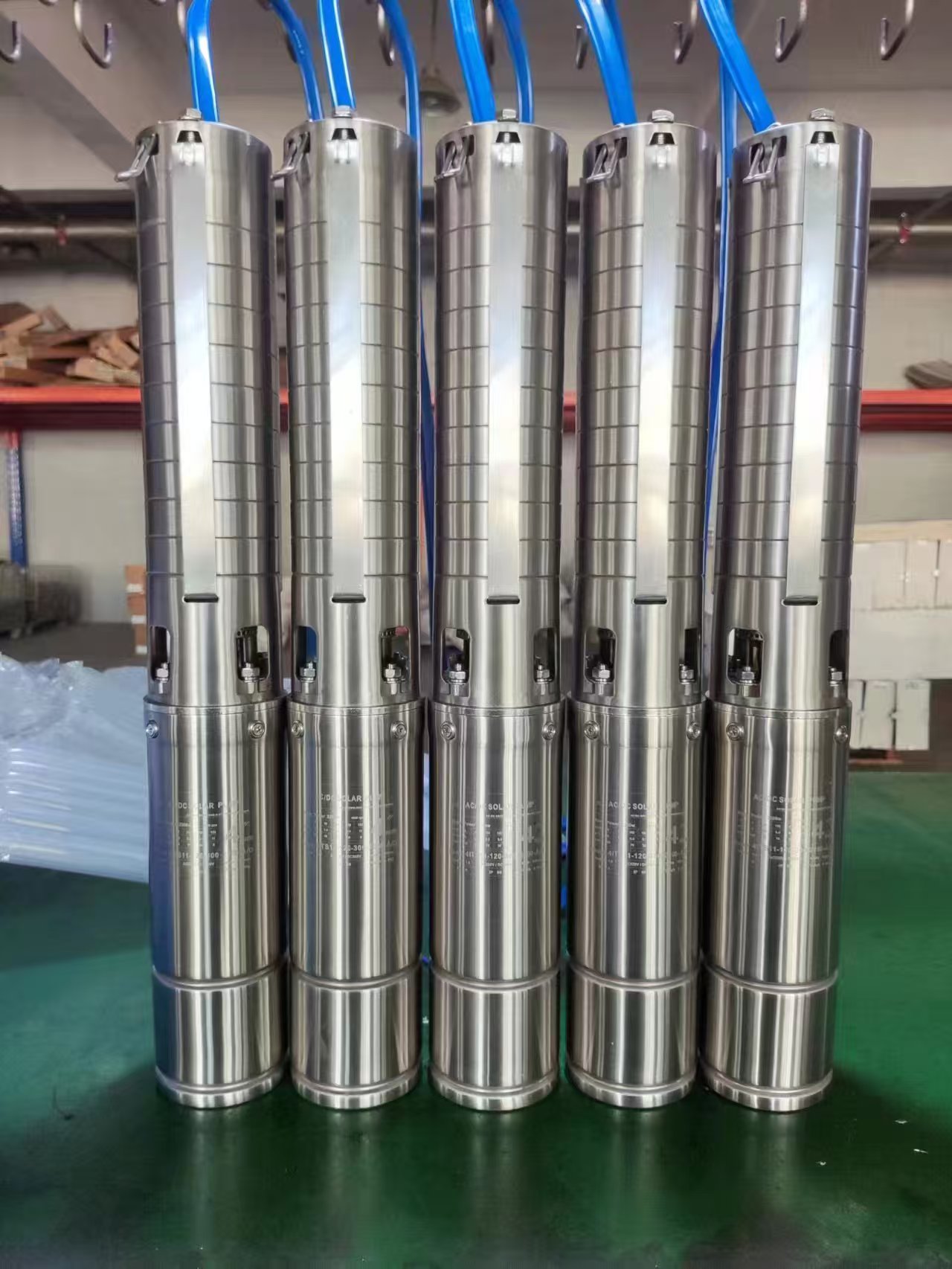
If you have reliable grid access, an AC submersible pump is the traditional and most straightforward choice. These pumps run on standard single-phase (220V) or three-phase (380V) power and offer the widest range of power options, typically from 1.5 kW to 22 kW or higher.
Solar Submersible Pump
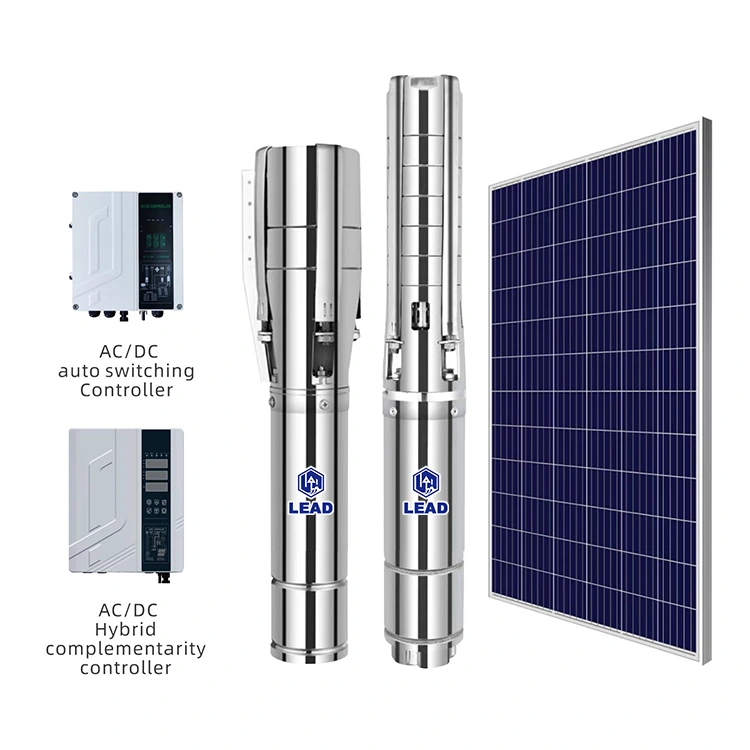
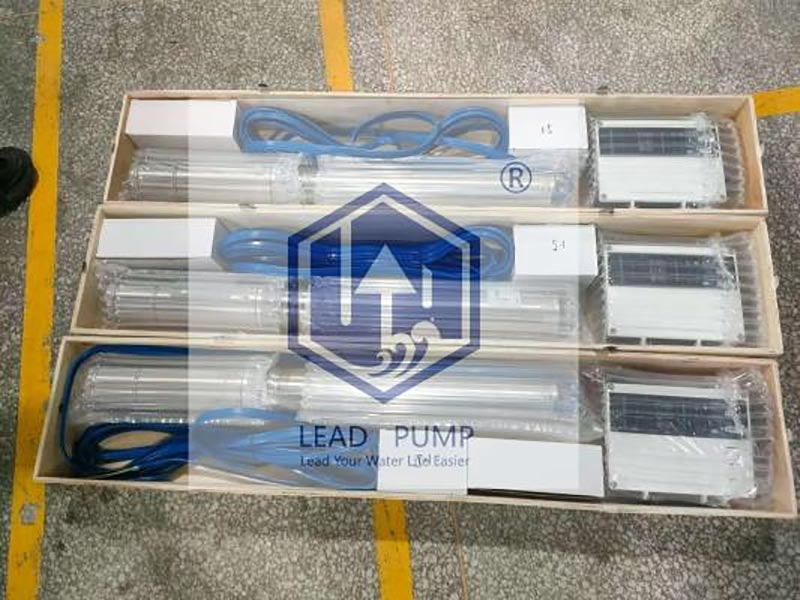
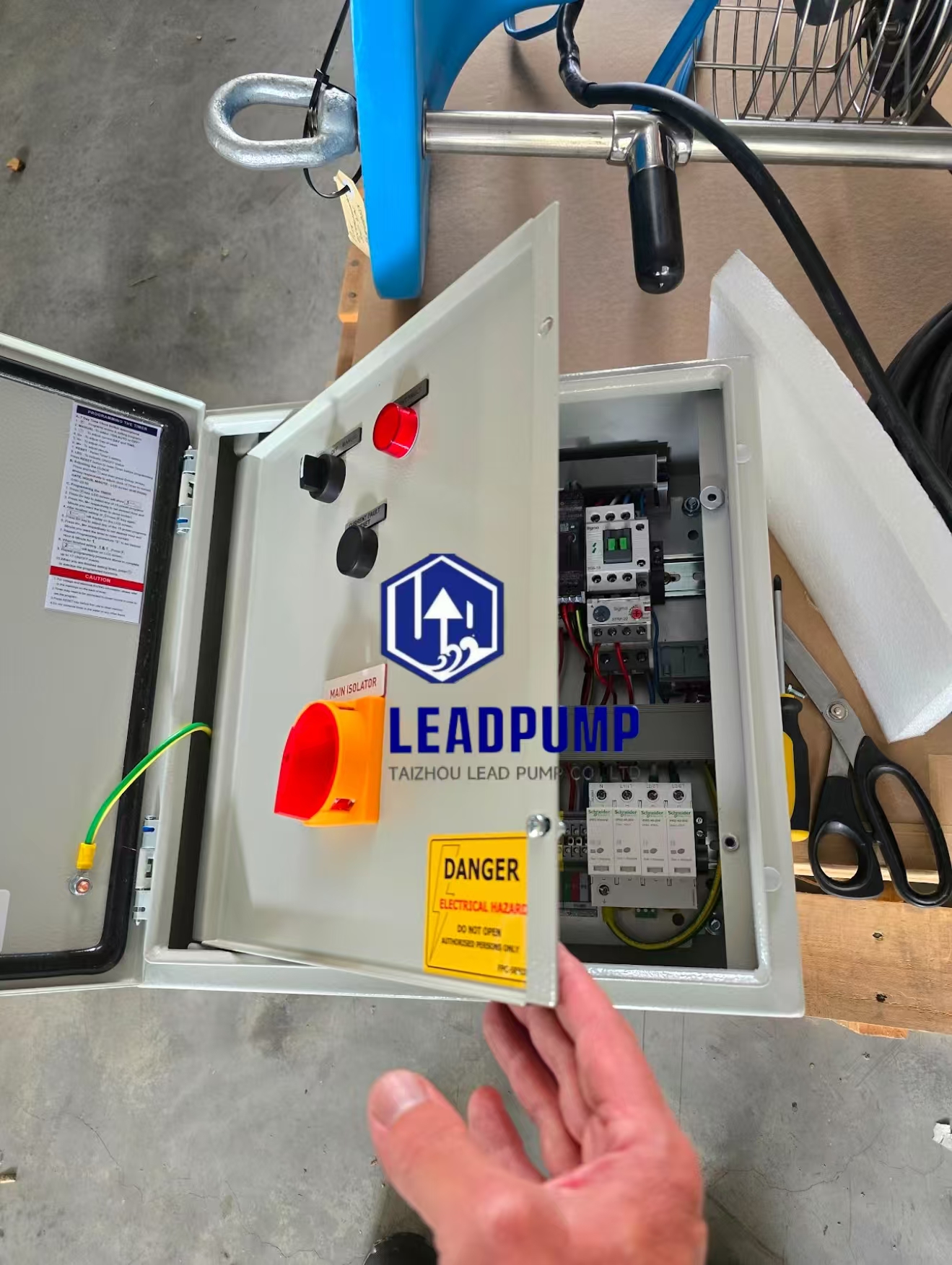
For farms in remote areas without grid access, or for operations looking to reduce long-term energy costs, a solar submersible pump is an excellent alternative. Modern solar pump controllers allow the system to start automatically in the morning and shut down at dusk.
The key advantage of solar pumping is zero ongoing electricity cost. While the initial investment is higher, payback periods of 2-4 years are common in sunny regions. For farms with good solar exposure, a 4-7 kW solar submersible system can easily irrigate 10-20 hectares.
Low Water Level Operation: A Critical Feature
Many farm wells experience significant drawdown during dry seasons or peak pumping hours. A standard pump may shut down or suffer damage when the water level drops too low. This is where pumps designed for low water level operation shine.
Dual-suction or multi-stage impeller designs that maintain efficiency even when partially submerged
Built-in thermal overload protection that shuts the motor down before overheating
Specialized cooling jackets that use the water flow to cool the motor, even at low flow rates
Wide water passage channels that reduce clogging risk when operating near the well bottom
A pump rated for low water level operation can safely run even when the water level drops to just a few meters above the pump intake, giving you peace of mind during critical irrigation periods.
Power Rating and Motor Selection
The pump motor power, measured in kilowatts (kW) or horsepower (HP), must match the combined demand of head and flow. As a general guideline:
Under 50m Depth
1.5-3 kW (2-4 HP)
50-100m Depth
4-7.5 kW (5-10 HP)
Over 100m Depth
7.5-15 kW (10-20 HP) or higher
Always verify that your power supply voltage and frequency match the motor specifications. Single-phase motors are common for smaller systems, while three-phase motors are more efficient and reliable for larger installations.
Why LEADPUMP
With over 40 years of manufacturing experience, LEADPUMP offers a complete range of deep well pumping solutions designed specifically for agricultural applications. Our product line includes high-performance AC submersible pumps for grid-connected farms, solar submersible pump systems for off-grid operations, and specialized models engineered for low water level operation.
Every pump is precision-manufactured with multi-stage impellers to deliver the high head pressure that modern irrigation demands, and our technical team can help match the perfect pump to your well's exact specifications. When you choose LEADPUMP, you are choosing reliability backed by four decades of hydraulic engineering expertise.
Final Checklist Before Buying
Measure your well depth and dynamic water level
Calculate your total dynamic head (add 15% margin)
Determine your required flow rate based on crop and acreage
Check your available power supply (grid or solar)
Verify the pump's minimum submergence depth
Confirm dry-run and overload protection features
Compare pump curves to find your best efficiency point
Consult with a reputable manufacturer like LEADPUMP for a custom recommendation
Choosing the right farm pump does not have to be complicated. Focus on the fundamentals — head, flow, power, and water level — and work with a trusted partner who understands agricultural pumping at depth.
We use cookies to offer you a better browsing experience, analyze site traffic and personalize content. By using this site, you agree to our use of cookies. Privacy Policy