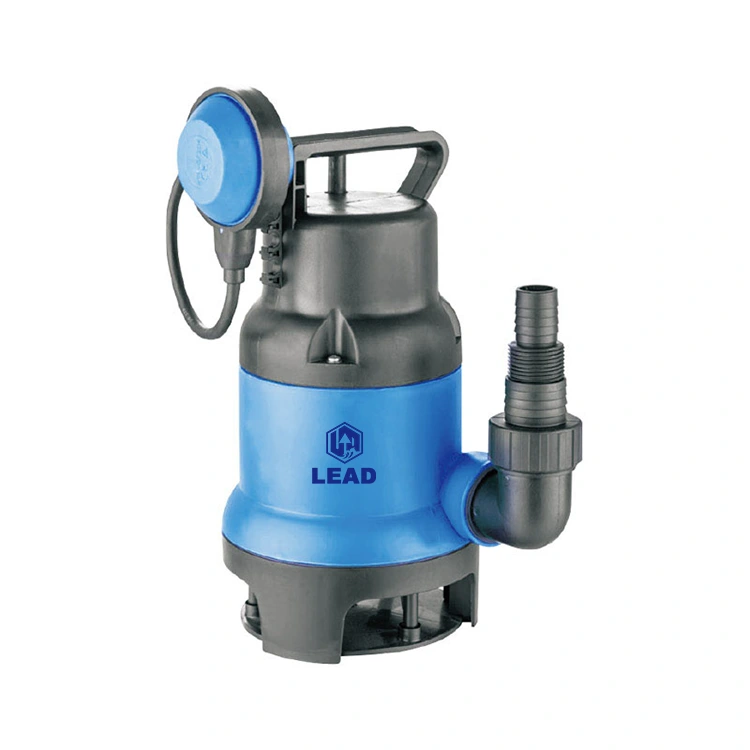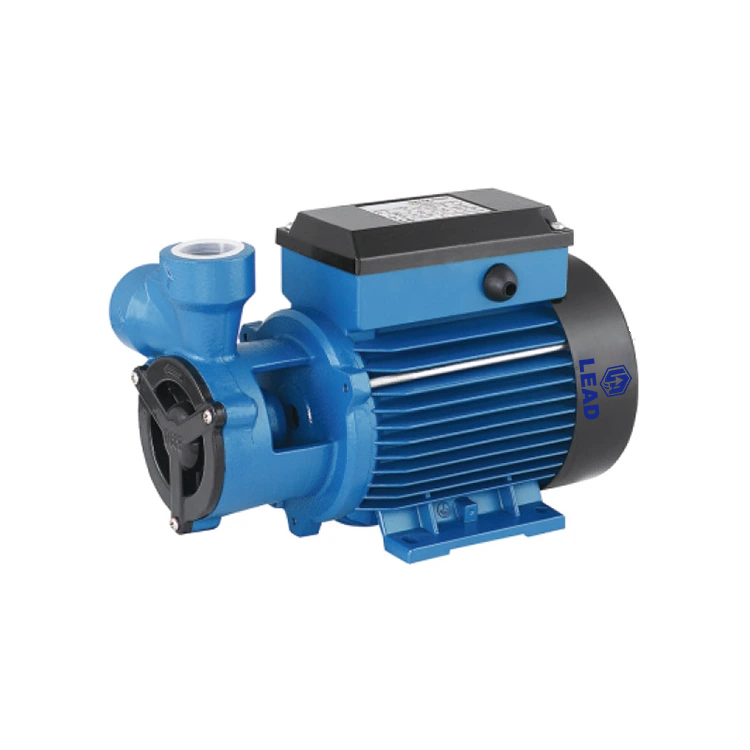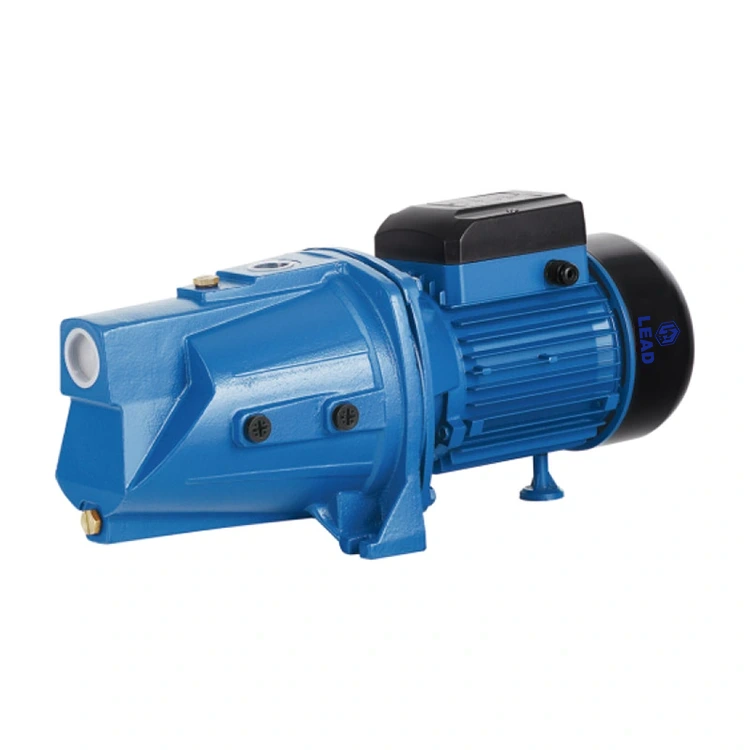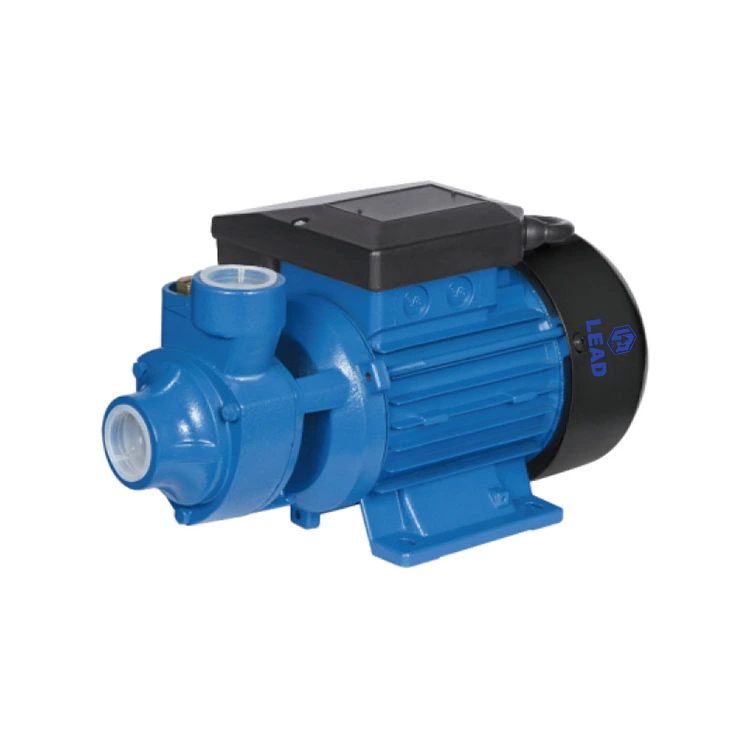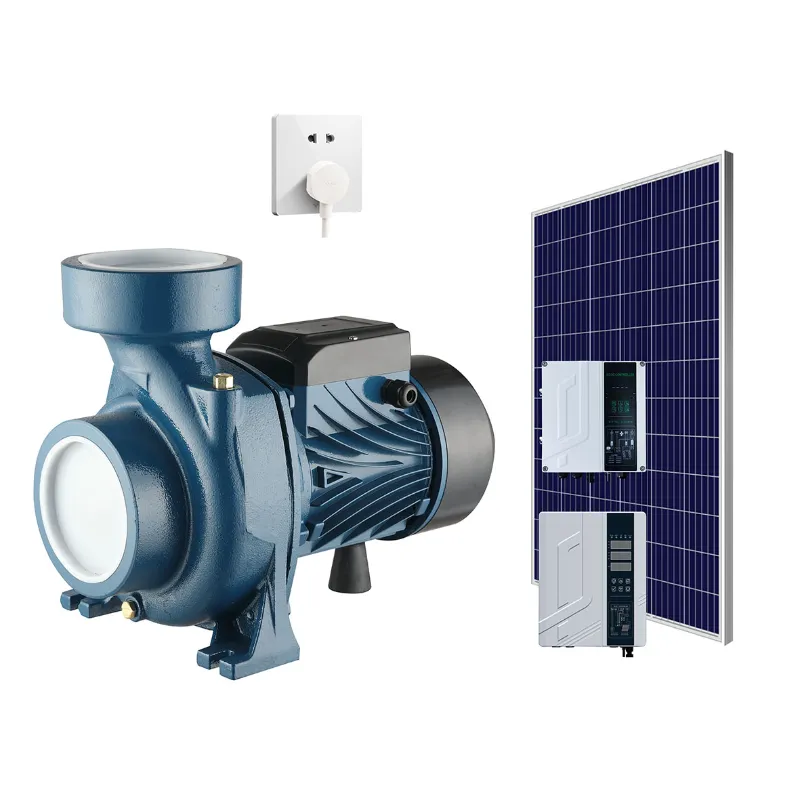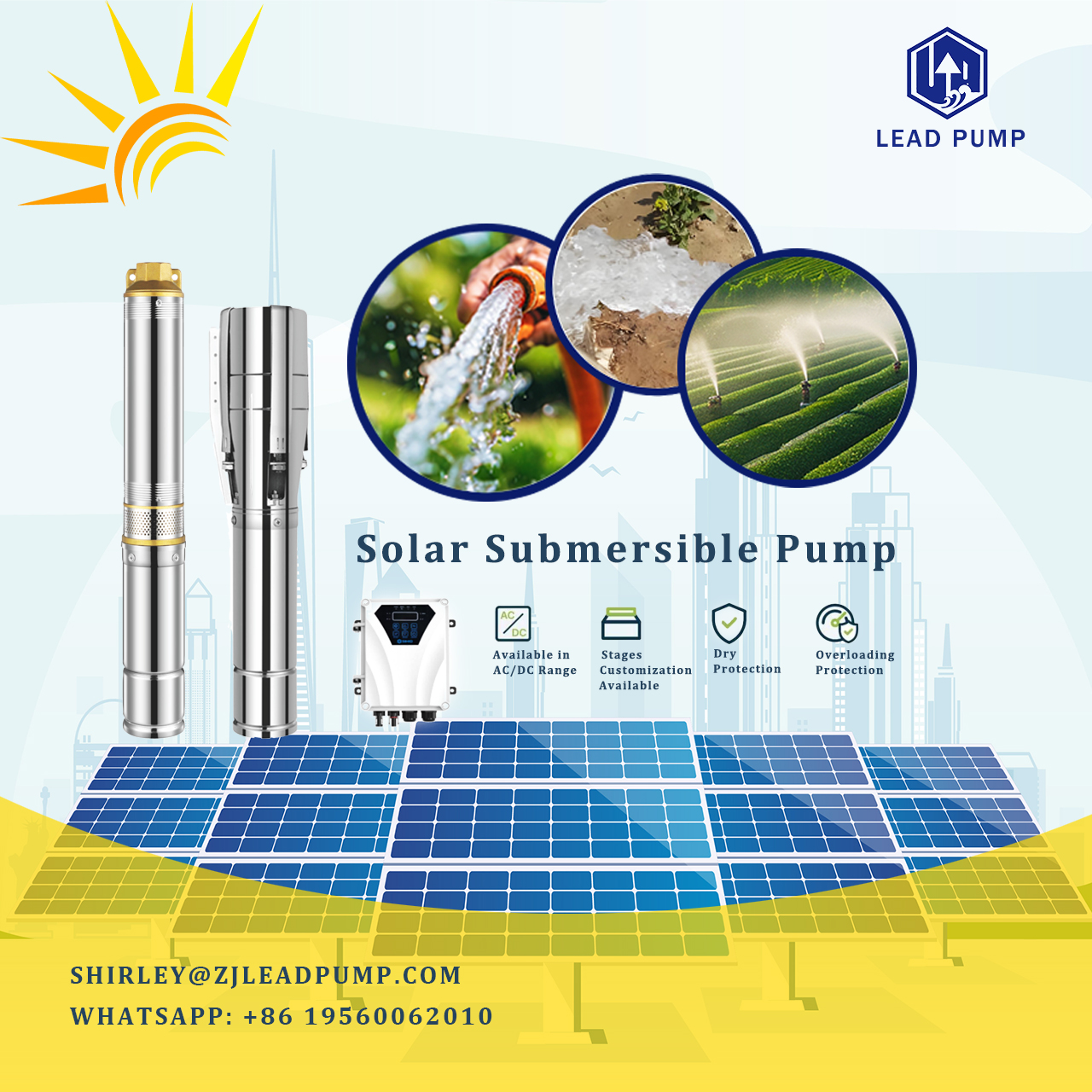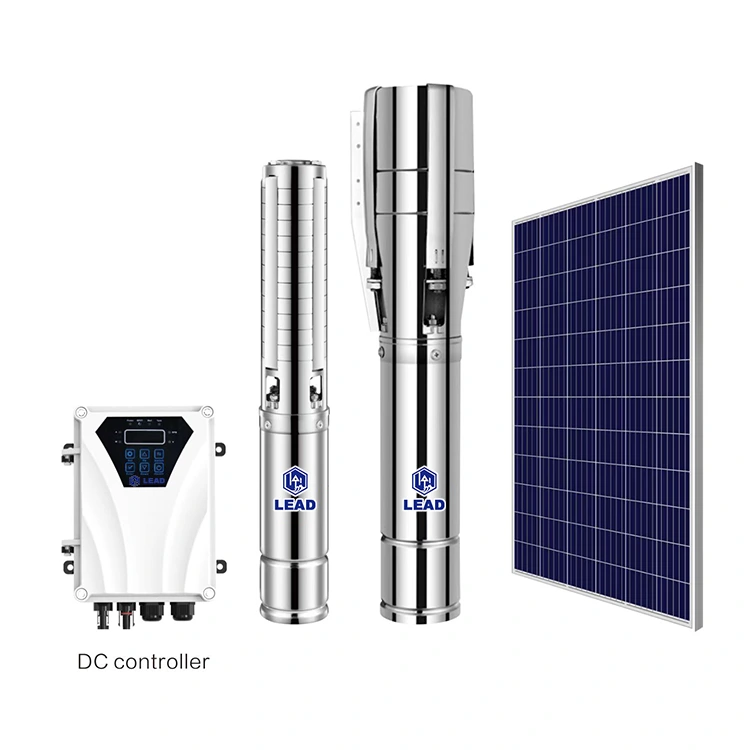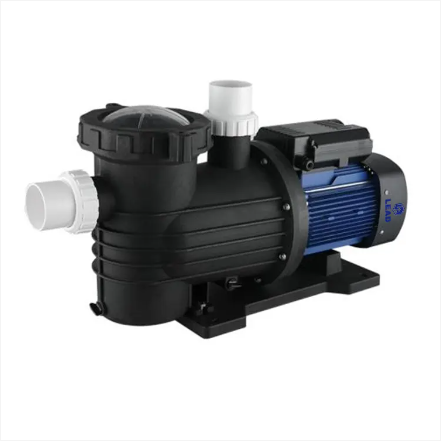


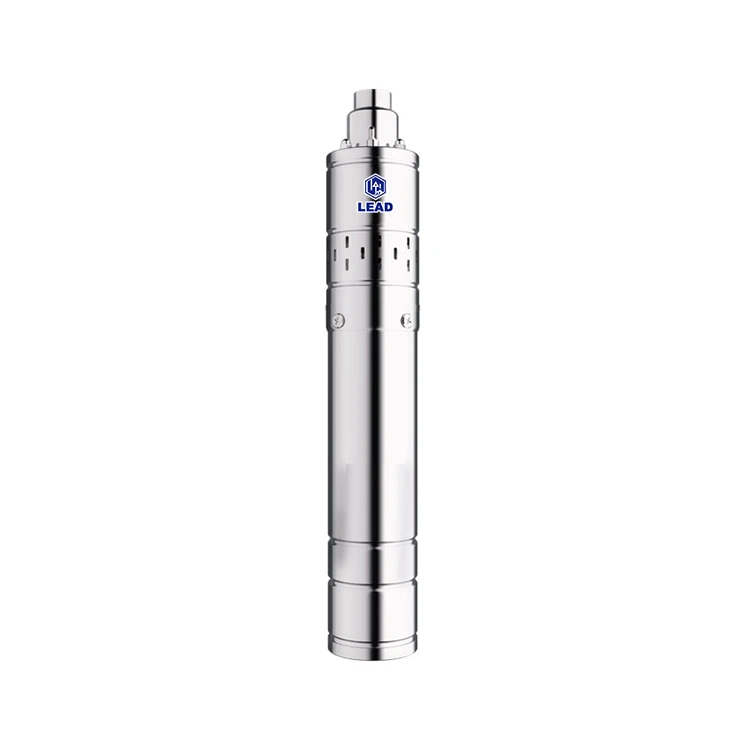


A dependable water supply is not only a convenience for farms, homes, livestock sites, gardens, and remote facilities. It can directly affect daily productivity, operating costs, crop stability, and long-term water security. For buyers who work in areas with limited grid power, high electricity costs, or unstable fuel access, a Solar Water Pump offers a practical way to move water using sunlight instead of relying fully on diesel generators or conventional power.
Still, choosing the right system is not always simple. Many buyers worry about pump head, flow rate, borehole depth, panel matching, dry running, maintenance, and whether the pump can keep working when the sunlight changes. This article explains how to evaluate a Solar Water Pump from a real application perspective, so you can make a better purchasing decision before investing in equipment.
Article Summary
A Solar Water Pump is widely used for agricultural irrigation, livestock watering, domestic water supply, garden watering, deep well pumping, and remote water transfer. The best choice depends on actual water demand, installation depth, total head, daily working hours, sunlight conditions, and the type of water source. Buyers should not choose a pump only by price or power rating. A better approach is to match the pump structure, motor type, controller, solar panel configuration, and protection features with the working environment.
Companies such as TAIZHOU LEAD PUMP CO., LTD. provide different solar pump solutions for various usage scenarios, including submersible solar pumps, deep well solar pumps, surface solar pumps, and hybrid AC/DC solar pump systems. For buyers, the key is to understand which model can deliver stable water output with lower operating costs and fewer maintenance concerns.
Table of Contents
- Article Outline
- Why Does a Solar Water Pump Matter for Remote Water Supply?
- What Problems Does a Solar Water Pump Help Solve?
- Which Types of Solar Water Pump Should Buyers Compare?
- How Should Buyers Select the Right Solar Water Pump?
- Solar Water Pump Selection Table
- What Should Be Checked Before Installation?
- How Can Buyers Reduce Maintenance Costs?
- Why Does Supplier Experience Matter?
- FAQ
- Final Recommendation
Article Outline
- Understand the main value of a Solar Water Pump in off-grid and semi-grid areas.
- Identify the most common buyer concerns before choosing a solar pump system.
- Compare submersible, deep well, surface, and hybrid pump options.
- Learn the important technical factors, including head, flow, power, borehole size, and water source condition.
- Review installation and maintenance points that affect long-term performance.
- Consider why manufacturer support and product matching are important for stable operation.
Why Does a Solar Water Pump Matter for Remote Water Supply?
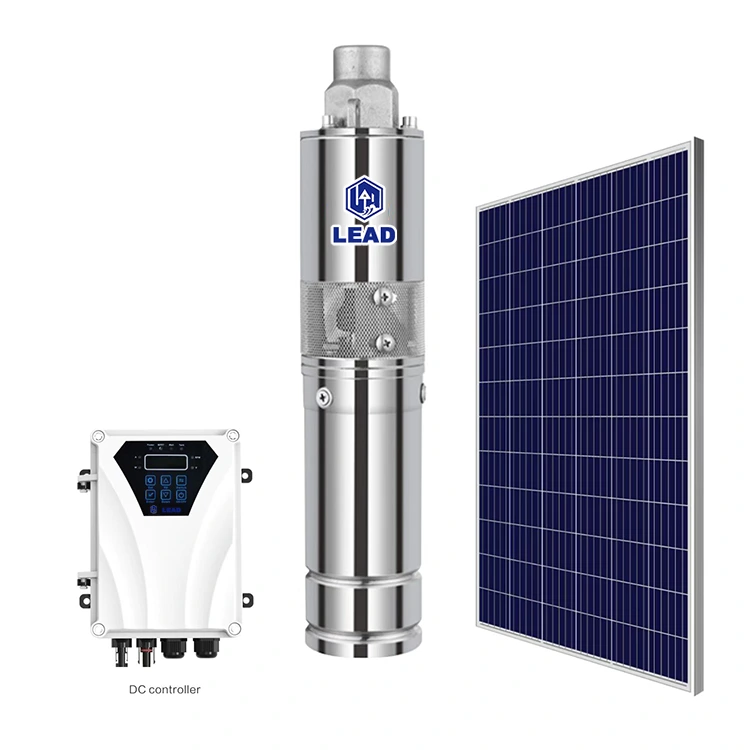
In many rural, agricultural, and remote working areas, water is available underground or from nearby sources, but power access is the real problem. Grid electricity may be unavailable, unstable, or expensive. Diesel generators can work, but fuel transportation, engine maintenance, noise, and daily operating costs often become long-term burdens.
A Solar Water Pump addresses this problem by using solar energy to drive the pumping system. When sunlight is available, the pump can move water for irrigation, household use, livestock drinking, or storage tank filling. This makes it especially useful in places where sunshine is strong and water demand rises during dry seasons.
The practical value is not only about saving electricity. A well-matched system can reduce manual labor, make water supply more predictable, and support projects where conventional power infrastructure is difficult to build. For farms, this can mean better irrigation timing. For livestock owners, it can mean fewer interruptions in drinking water. For households and small communities, it can mean a more independent water supply system.
What Problems Does a Solar Water Pump Help Solve?
Buyers often begin searching for a Solar Water Pump because their existing water supply method has become too costly or unreliable. A solar pumping system can help solve several common pain points.
- High energy costs: Solar power reduces dependence on grid electricity or diesel fuel.
- Remote installation challenges: Solar pumping is suitable for areas where power lines are difficult or expensive to install.
- Unstable irrigation schedules: Water can be pumped during sunny periods and stored in tanks for later use.
- Diesel generator maintenance: Solar pump systems have fewer fuel-related maintenance issues.
- Daily labor pressure: Automatic operation can reduce repeated manual water transfer work.
- Long-term project planning: A properly selected system can support farms, households, gardens, and livestock facilities for years.
However, these benefits only appear when the pump is selected correctly. A pump with insufficient head will not lift water to the required height. A pump with poor matching between panels, controller, and motor may fail to deliver expected output. That is why technical selection matters more than simply choosing the lowest price.
Which Types of Solar Water Pump Should Buyers Compare?
A Solar Water Pump is not a single fixed product. Different designs are used for different water sources and application conditions. Before making a purchase, buyers should compare the main pump types according to the actual working site.
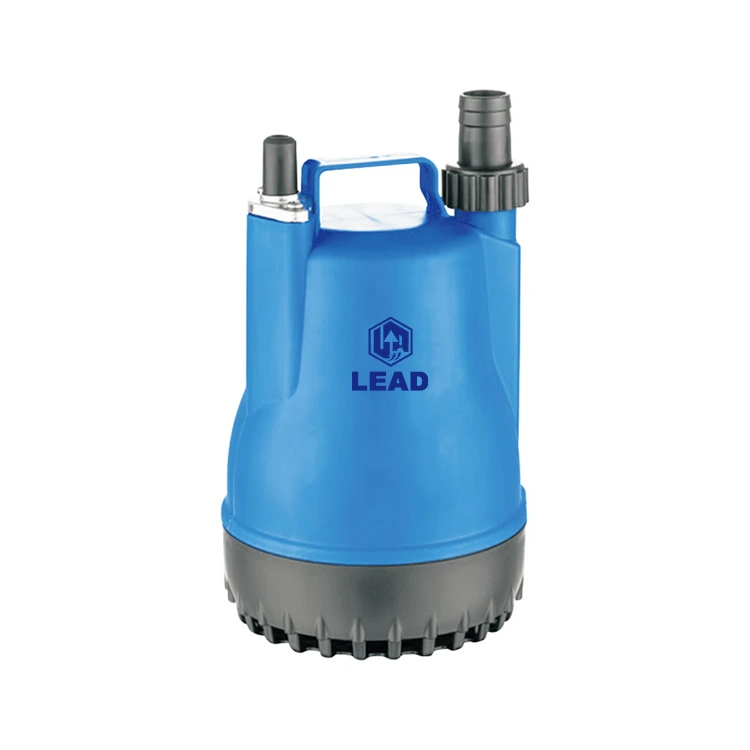
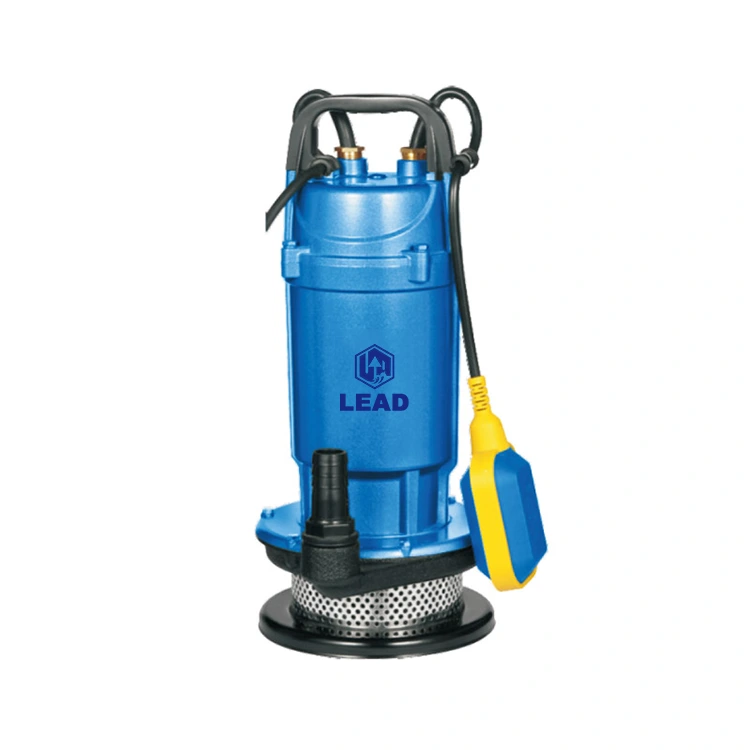
Solar submersible pumps are commonly used for wells, boreholes, and underground water sources. Since the pump works underwater, it is suitable when water must be lifted from below ground level. For deep well applications, buyers need to pay close attention to borehole diameter, pump diameter, maximum head, and water level changes.
Solar surface pumps are installed above the water source and are often used for rivers, ponds, shallow wells, storage tanks, and open water transfer. They are easier to access for inspection and maintenance, but they are not suitable for every deep suction condition.
Hybrid AC/DC solar pumps are useful when buyers want more flexible power options. These systems can use solar energy when sunlight is available and may also work with AC power when needed, depending on the system design. This type is suitable for users who need more stable water supply across changing weather or seasonal conditions.
High-speed solar deep well pumps can be considered when the application requires efficient water lifting from deeper sources. Buyers should evaluate whether the pump’s performance curve matches their expected head and flow rather than relying only on the product name.
How Should Buyers Select the Right Solar Water Pump?
Choosing the right Solar Water Pump starts with clear site data. Many pump problems happen because the buyer only provides rough information, such as “I need water for a farm” or “I have a deep well.” These descriptions are not enough for accurate pump matching.
A serious selection process should include the following details:
- Water source type: Borehole, deep well, river, pond, tank, reservoir, or shallow well.
- Static water level: The depth from ground level to the water surface when the pump is not running.
- Dynamic water level: The water level when the pump is operating.
- Total head: The vertical lift plus pipeline loss and delivery height.
- Daily water demand: The total volume of water needed per day.
- Required flow rate: The expected water output per hour.
- Sunlight condition: Local sunshine hours and seasonal sunlight changes.
- Pipeline distance: The length and diameter of the pipe can affect pressure loss.
- Water quality: Sand, sediment, or corrosive water may affect pump material selection.
- Power preference: Pure DC solar operation or hybrid AC/DC operation.
Once these details are clear, the supplier can recommend a more suitable pump model, controller, solar panel configuration, and installation plan. This reduces the risk of buying a pump that looks powerful on paper but performs poorly in the field.
Solar Water Pump Selection Table
| Application | Recommended Pump Type | Main Buyer Concern | Selection Tip |
|---|---|---|---|
| Deep well water supply | Solar submersible pump or solar deep well pump | Insufficient lifting height | Confirm static water level, dynamic water level, and total head before ordering. |
| Farm irrigation | Solar surface pump or submersible pump | Unstable water volume | Match daily water demand with sunlight hours and storage tank capacity. |
| Livestock watering | DC solar pump or hybrid solar pump | Water interruption during cloudy weather | Consider storage tanks or hybrid power options for more stable supply. |
| Garden or fountain use | Solar surface pump or small solar pump | Overbuying an oversized system | Choose based on required flow, working hours, and installation space. |
| Remote household water supply | Solar deep well pump or AC/DC hybrid pump | Daily reliability | Use a suitable controller, storage tank, and pump protection system. |
What Should Be Checked Before Installation?
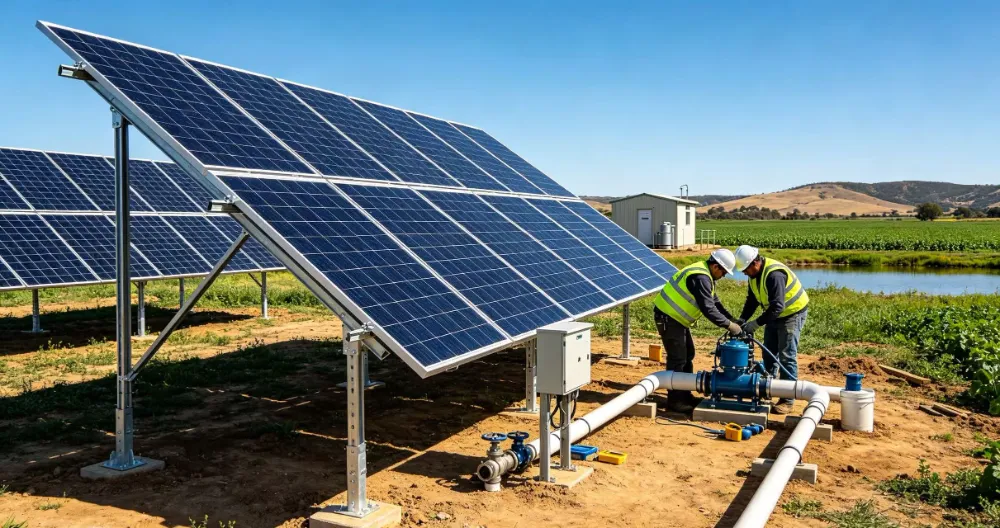
Even a high-quality Solar Water Pump can perform poorly if the installation is careless. Before installation, buyers should confirm whether the site conditions match the pump’s rated working range. For submersible pumps, the borehole diameter must be large enough for the pump body. The water level should allow the pump to stay properly submerged during operation.
Solar panels should be installed where they can receive strong sunlight without shade from trees, buildings, poles, or dust-covered surfaces. The panel angle should fit local sunlight conditions as much as possible. Cable length and cable size also matter because long or undersized cables may cause power loss.
For pipeline installation, pipe diameter, vertical height, bends, and distance can all affect water output. A narrow pipe may increase friction loss and reduce actual flow. A long pipeline may require additional head calculation. If a storage tank is used, its height and capacity should be included in the system design.
Buyers should also check whether the controller provides useful protection functions, such as dry-run protection, overvoltage protection, undervoltage protection, and overload protection. These details help protect the pump and improve system durability.
How Can Buyers Reduce Maintenance Costs?
A Solar Water Pump is often chosen because buyers want lower operating costs. To keep maintenance costs low, the system should be used within its rated conditions and checked regularly.
- Clean solar panels regularly to prevent dust from reducing power generation.
- Check cable connections to avoid loose wiring or water damage.
- Inspect pipelines for leakage, blockage, or pressure loss.
- Monitor water output changes, since sudden flow reduction may indicate clogging or water level issues.
- Keep the pump away from excessive sand or sediment when possible.
- Use proper protection devices if the water source is unstable.
- Follow the supplier’s installation and maintenance guidance instead of modifying the system blindly.
Many failures are preventable. For example, dry running can damage a pump if water level drops too low. Sand-heavy water may increase wear. Poor cable sizing may reduce motor performance. Regular inspection helps buyers find these problems early before they become expensive repairs.
Why Does Supplier Experience Matter?
Buying a Solar Water Pump is not the same as buying a simple accessory. The pump, controller, solar panels, cables, pipeline, and water source must work together as a system. This is why supplier experience matters.
A responsible supplier should ask about your water source, required flow, total head, installation environment, sunlight condition, and intended application. Instead of pushing one standard model for every buyer, the supplier should help match the pump to the project.
TAIZHOU LEAD PUMP CO., LTD. offers solar pump options for different working conditions, including solar submersible pumps, solar deep well pumps, solar surface pumps, and hybrid solar pump solutions. For buyers who need water for agriculture, livestock, household supply, or remote projects, choosing a supplier with multiple pump categories can make the selection process more flexible.
The right supplier can also help reduce hidden costs. These costs may include wrong model replacement, low water output, repeated installation adjustment, controller mismatch, or poor after-sales communication. A technically suitable recommendation is often more valuable than a very low initial quote.
FAQ
1. Can a Solar Water Pump work on cloudy days?
Yes, but water output may decrease when sunlight is weak. For applications that require stable daily water supply, buyers can consider a storage tank, suitable panel configuration, or a hybrid AC/DC pump system.
2. Is a solar pump suitable for deep wells?
Yes, but the pump must match the well depth, water level, borehole diameter, required head, and expected flow. A solar deep well pump or solar submersible pump is usually considered for this type of application.
3. What information should I provide before buying a Solar Water Pump?
You should provide water source type, well depth, static and dynamic water level, required flow rate, total head, pipeline distance, daily water demand, and local sunlight conditions.
4. Does a Solar Water Pump need batteries?
Not always. Many solar pump systems can work directly with solar panels during daylight. However, batteries or water storage tanks may be considered when water is needed outside sunny hours.
5. Is a DC solar pump better than an AC/DC hybrid pump?
It depends on the application. A DC solar pump is suitable for direct solar operation, while an AC/DC hybrid pump offers more power flexibility when both solar and grid or generator power may be used.
6. How long can a Solar Water Pump work each day?
Working time depends on sunlight hours, solar panel capacity, pump power, and system design. In many projects, water is pumped during strong sunlight and stored for later use.
7. Can solar pumps be used for irrigation?
Yes. A Solar Water Pump is widely used for farm irrigation, greenhouse watering, orchard irrigation, and field water transfer. The pump should be selected according to crop water demand and irrigation method.
8. What causes low water output after installation?
Common reasons include insufficient sunlight, incorrect pump selection, excessive total head, narrow pipeline, long cable loss, blocked intake, low water level, or poor panel matching.
Final Recommendation
The best Solar Water Pump is not always the largest model or the cheapest option. It is the one that matches your water source, required head, flow demand, sunlight condition, and long-term use plan. For remote farms, deep wells, livestock areas, households, and irrigation projects, a properly selected solar pumping system can reduce energy costs, improve water independence, and simplify daily operation.
Before making a purchase, prepare accurate project information and work with a supplier that understands pump selection rather than only product pricing. TAIZHOU LEAD PUMP CO., LTD. can support buyers with different solar water pump solutions for practical water supply needs.
If you are planning a farm irrigation project, deep well water supply system, livestock watering site, or remote household water project, share your water source details, required flow, head, and installation conditions with us. For a suitable Solar Water Pump recommendation and a practical solution for your project, please contact us today.