



1. What Is a Solar Pump?
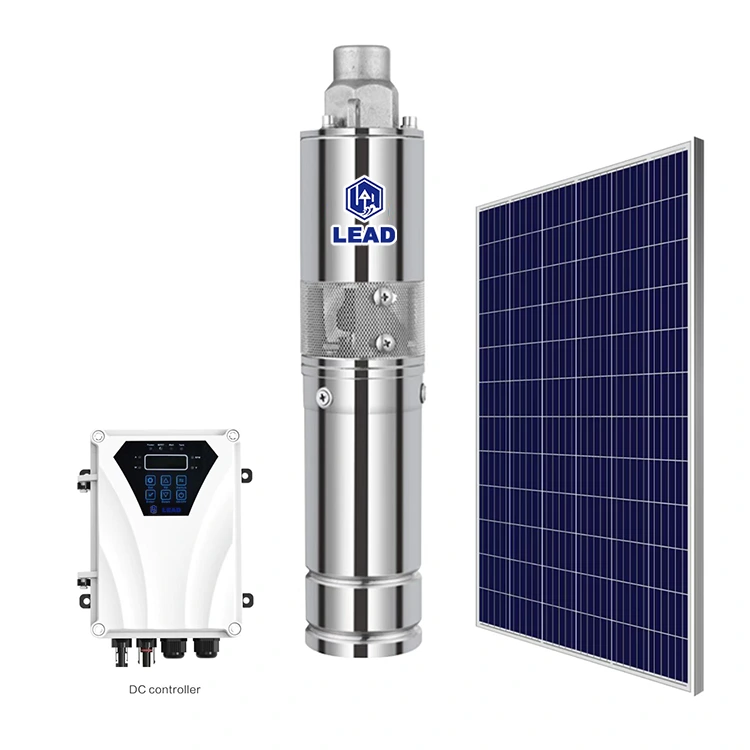
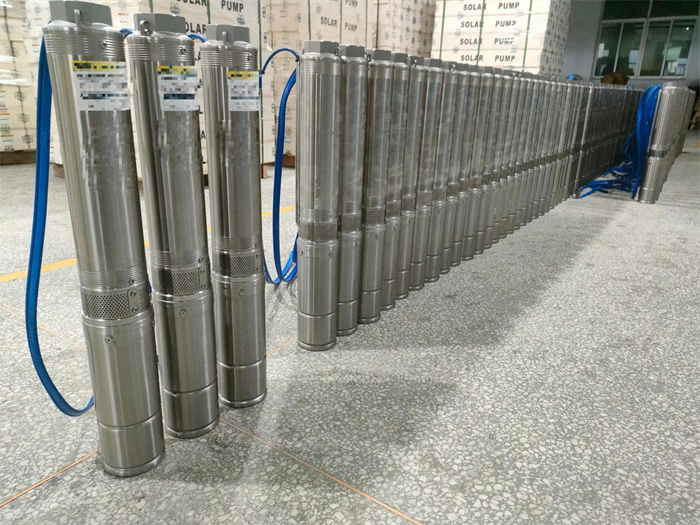
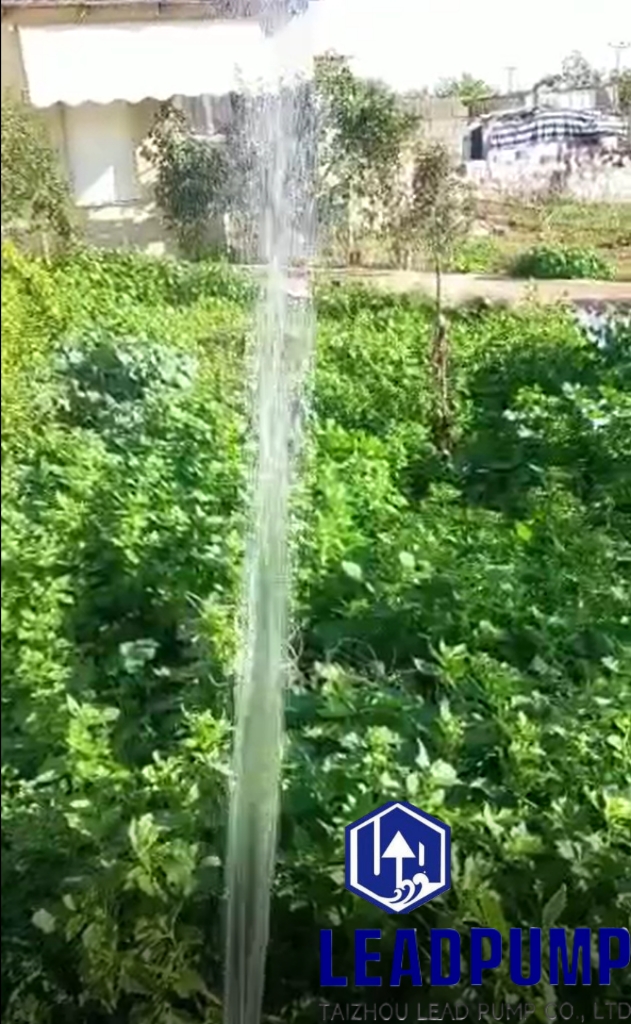
A solar pump converts sunlight into electricity via solar panels to drive a water pump. It requires no grid power, making it ideal for remote farms, irrigation, and livestock watering.
Core Components:
Solar Panels
Pump Body (submersible or centrifugal)
MPPT Controller
(Optional) Water Storage Tank
2. Solar vs Traditional Pump
| Comparison | Solar Pump | Electric Pump |
|---|---|---|
| Operating Cost | near zero (free sunlight) | ongoing electricity bills |
| Grid Requirement | none | 220V/380V required |
| Best For | off-grid areas | areas with stable grid |
| Upfront Cost | higher | lower |
| Maintenance | low | medium |
Bottom line: Free water pumping wherever the sun shines.
3. Five Key Selection Parameters
Head (H): Dynamic water level + pipe friction loss + discharge height + 10% margin
Example: Well 30m deep, dynamic level 25m, deliver to 10m tank → Recommended head ≥ 40m
Flow Rate (Q):
• Household use: 1-3 m³/h
• Small farm irrigation (5-10 mu / ~0.7-1.4 acres): 3-8 m³/h
• Large area irrigation (20+ mu / ~3+ acres): ≥ 10 m³/h
Pump Power: Common ratings — 150W, 300W, 500W, 750W, 1.1KW, 1.5KW, 2.2KW
Rule of thumb: More head → more power | Deeper well → more power
Solar Panel Power: Solar panel wattage should be 1.3-1.5x the pump power
Example: 1.1KW pump → 1.5-1.8KW solar array (ensures cloudy-day startup)
Pipe Diameter:
• 1-3 m³/h → 1 inch (DN25)
• 3-8 m³/h → 1.5 inch (DN40)
• 8-15 m³/h → 2 inch (DN50)
4. Submersible vs Self-Priming Pump
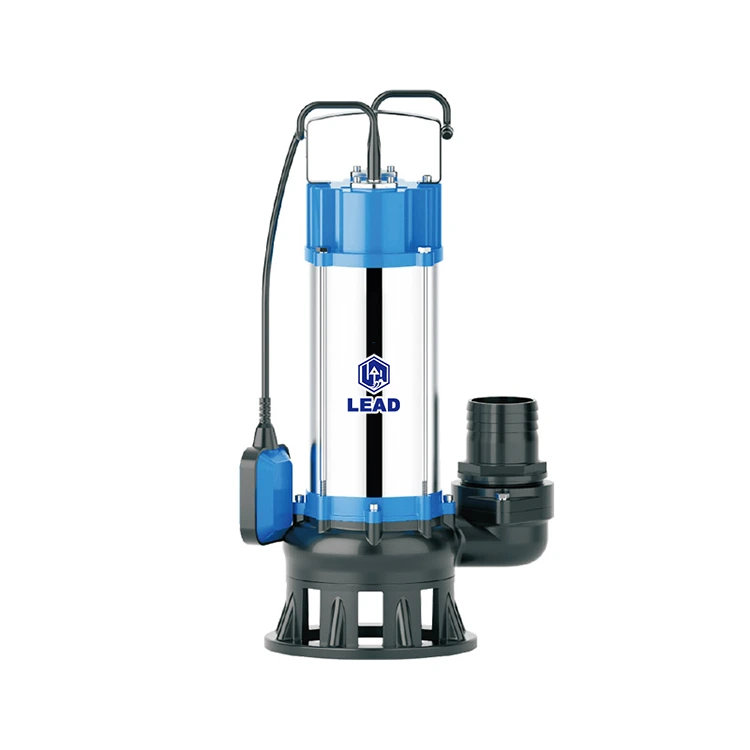
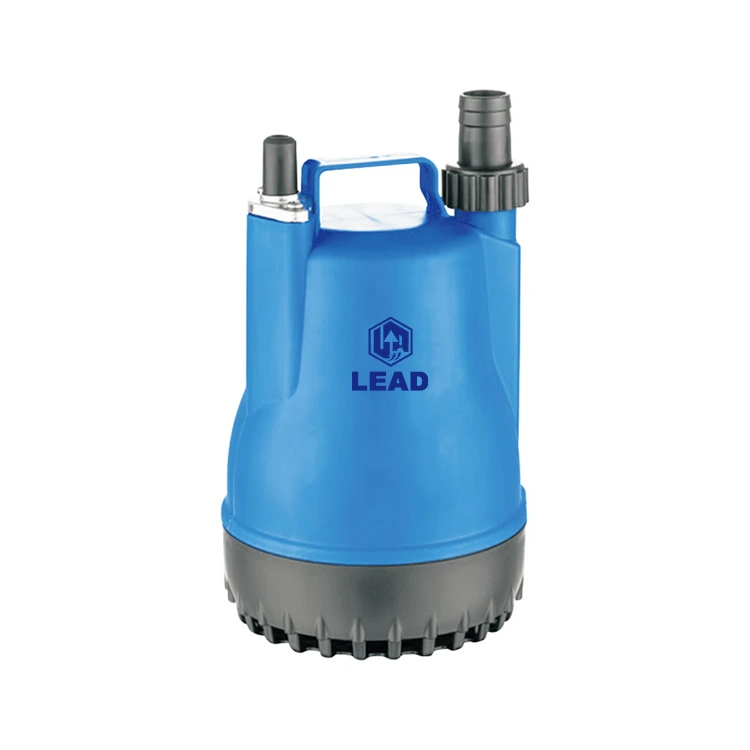
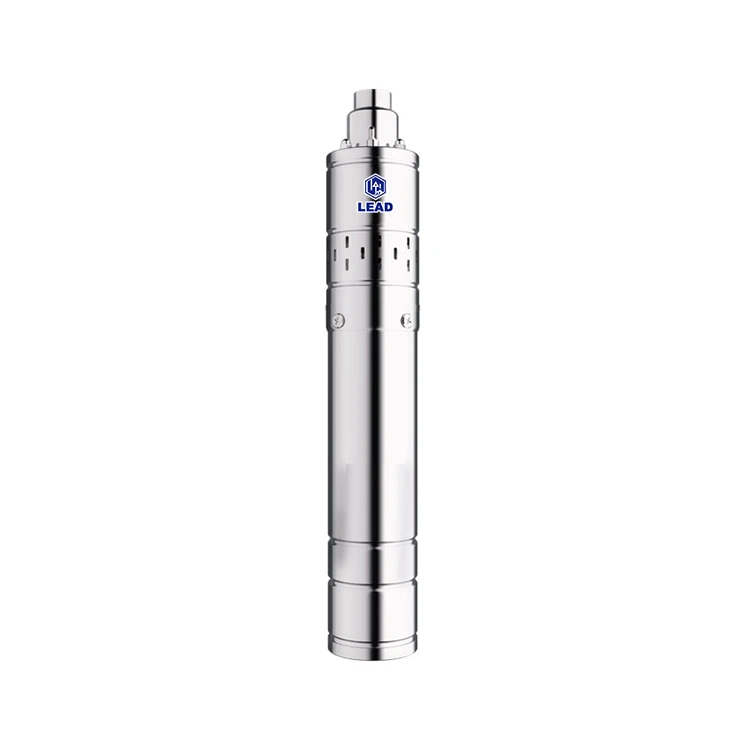
Solar Submersible Pump:
Best for: Deep wells, ponds, reservoirs
Pros: High head, high efficiency, quiet operation
Cons: Needs lifting gear for maintenance
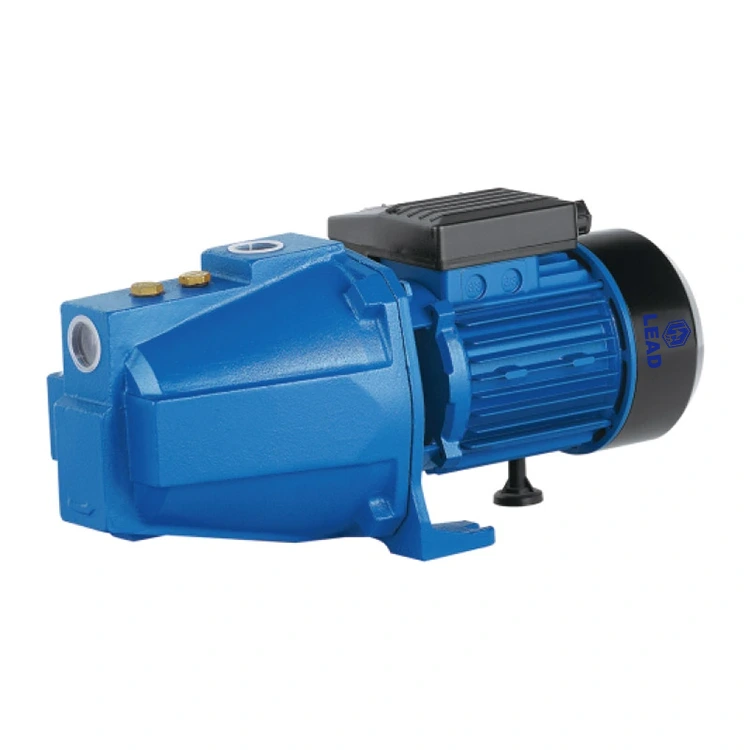
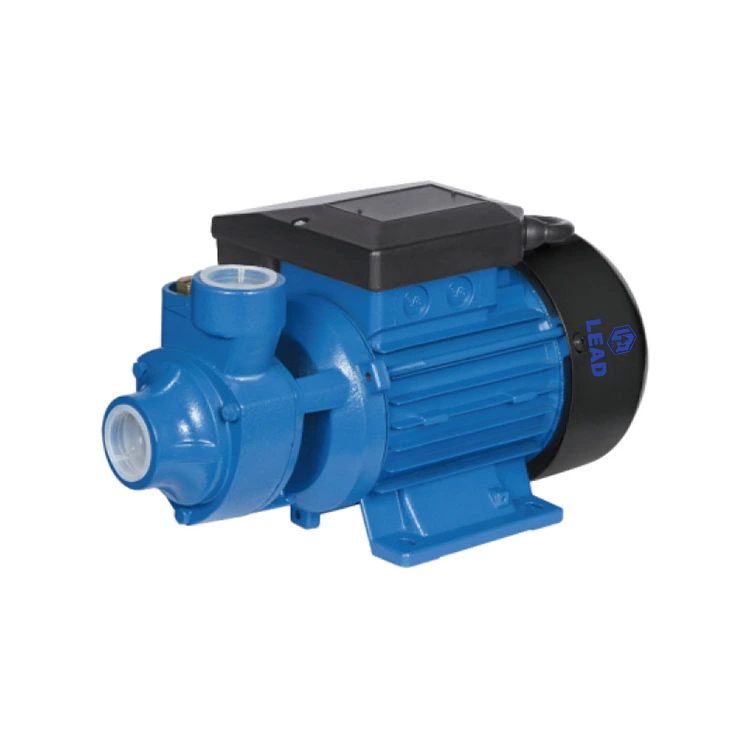
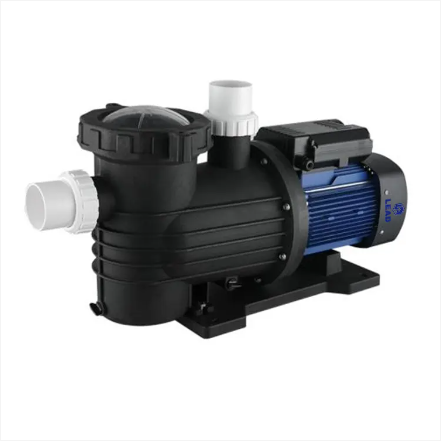
Solar Self-Priming Pump:
Best for: Shallow wells, rivers, ditches
Pros: Easy installation, ground-level maintenance access
Cons: Suction limited to 8 meters maximum
🔍 Recommendation: Water source deeper than 8 meters → choose submersible. Shallow source with easy access → self-priming is more convenient.
5. Installation Tips
- Orientation & Tilt: Face panels south (Northern Hemisphere). Tilt angle ≈ local latitude
- Avoid Shading: Even partial tree or building shading can cut power output dramatically
- Keep Controller Cool: MPPT controller needs shade and good ventilation
- Use Adequate Cable: Long distances require thicker cables to reduce voltage drop
- Lightning Protection: Essential for open-field installations
- Choose the Right Pipe: PE pipe recommended (UV resistant); avoid PVC which becomes brittle in sunlight
6. Daily Maintenance
- ✅ Clean panels monthly — dust can reduce output by 10-30%
- ✅ Check all connections for looseness or oxidation
- ✅ Drain pipes before winter to prevent frost damage
- ❌ Don't scrub panels with hard tools
- ❌ Don't cover the controller — it needs airflow
7. Frequently Asked Questions
Q: Does it work on cloudy days?
A: Yes, but output drops 50-80%. A storage tank ensures continuous water supply.
Q: Do I need batteries?
A: No. Pump water during the day and store it in a tank. This is much cheaper and more reliable than batteries.
Q: How long does it last?
A: Solar panels 25+ years, pump body 5-10 years (depending on water quality and usage frequency), controller 5-8 years.
Q: Can I add grid power as backup?
A: Yes — dual-mode controllers support automatic switching between solar and grid power.
8. Summary
Three rules for buying a solar pump:
- 1 Calculate head and flow first — get this wrong and nothing else matters
- 2 Solar panels should be at least 1.3x pump power — ensures startup even on cloudy days
- 3 Use a water tank, not batteries — cheaper and more reliable