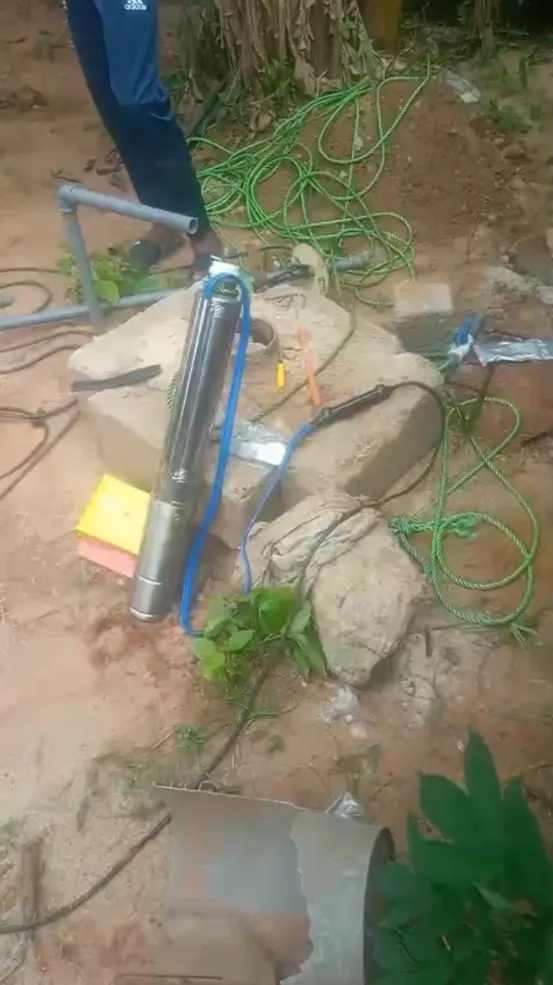
Solar water pumps have evolved from niche off-grid solutions into mainstream water supply systems. Their applications now span small household gardens to large-scale agricultural irrigation, livestock farms, and even industrial water transfer.
In this guide, we break down each major application scenario — what pump type works best, how to size the system, and what you can expect in terms of cost and performance.
1. Agricultural Irrigation
Agriculture is the single largest application market for solar pumps. With rising electricity costs and unreliable grid supply in rural areas, solar irrigation is becoming the go-to solution worldwide.
🌱 1.1 Drip Irrigation
Drip irrigation requires low flow but consistent pressure. Solar pumps are a natural fit because they operate during daylight hours — exactly when plants need water most.
Recommended flow rate: 1-4 m³/h per hectare
Working pressure: 1.5-3 bar (filtration required)
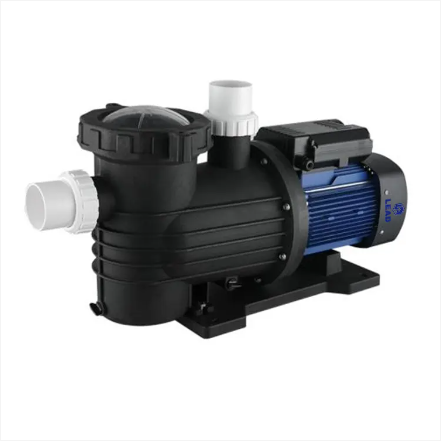
Best pump: Centrifugal surface pump or small submersible
Typical system: 500W-1.5KW solar array + MPPT controller + water tank
Drip irrigation paired with solar pumping can reduce water consumption by 30-50% compared to flood irrigation, and eliminate electricity costs during sunny months.
💧 1.2 Sprinkler Irrigation
Sprinkler systems demand higher pressure (3-5 bar) and more consistent flow. This requires a pump with higher head capacity and a well-sized solar array.
Recommended flow rate: 3-8 m³/h per hectare
Required pressure: 3-5 bar
Typical system: 1.5KW-3KW solar array + VFD recommended
For sprinkler irrigation, we strongly recommend using a VFD controller. It maintains constant pressure regardless of sunlight intensity.
💧 1.3 Flood Irrigation
For large open fields where flood irrigation is practiced, high-flow, moderate-head pumps are ideal.
Recommended flow rate: 10-30 m³/h
Best pump: Large submersible or axial flow pump
2. Livestock Watering
Providing clean, reliable water for livestock is critical for animal health and farm productivity. Solar pumps excel here because water demand is consistent year-round and often located in remote pastures.
Cattle & Sheep Farms
Daily water needs: 50-100 L/cow/day, 5-10 L/sheep/day
Typical system: 300W-750W solar pump + 2-5 m³ storage tank
Poultry Farms
Daily water needs: 200-300 mL/chicken/day
Typical system: 150W-300W solar pump + 500L tank
Key advantage: Solar pumps provide pressure for nipple drinkers without grid power
3. Household & Domestic Water Supply
In rural areas and suburban homes where grid water pressure is insufficient or non-existent, solar pumps provide an independent solution.
3.1 Well Water Supply
Typical well depth: 10-80 meters
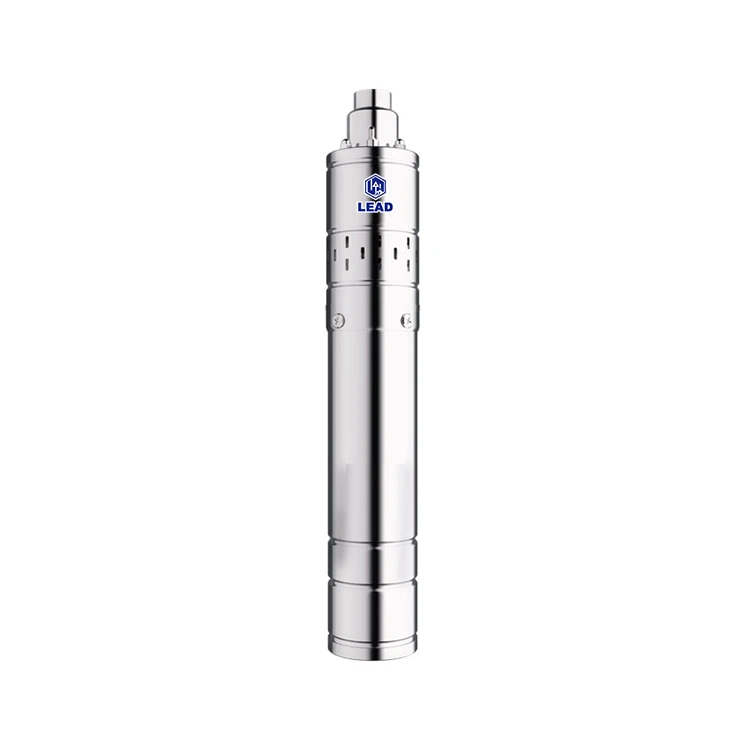
Best pump: 4" solar submersible pump
Typical system: 300W-1.1KW solar array + pressure tank
Smart tip: Battery-free design uses water tower for storage
3.2 Rainwater Harvesting & Pond Supply
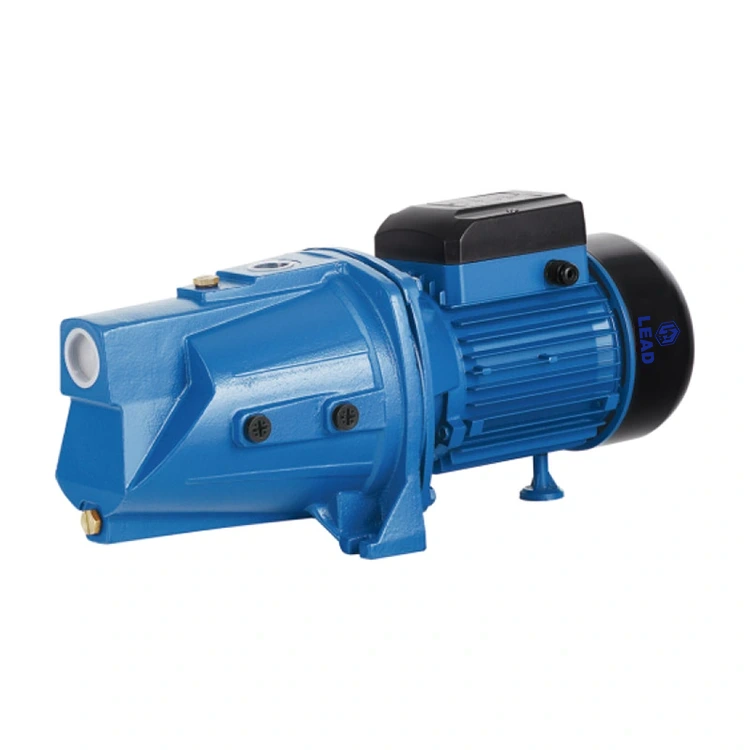
Best pump: Self-priming pump (suction ≤ 6m)
Typical system: 150W-500W solar array + float switch
4. Ponds, Fountains & Landscape Features
Solar pumps are increasingly popular for ponds, fountains, and decorative features.
Typical system: 30W-200W solar fountain pump
Easy install: No wiring needed — just place the panel and drop in the pump
5. Off-Grid & Remote Area Water Supply
For humanitarian projects, desert wells, mountain cabins, and other off-grid locations, solar pumps are often the only viable option.
Typical system: 1KW-5KW solar array + high-lift pump for wells up to 200m
Storage: Large reservoir (10-50 m³) for cloudy periods
For deep-well applications (>100m), helical rotor pumps are recommended over centrifugal — they handle high heads more efficiently.
We use cookies to offer you a better browsing experience, analyze site traffic and personalize content. By using this site, you agree to our use of cookies.Privacy Policy