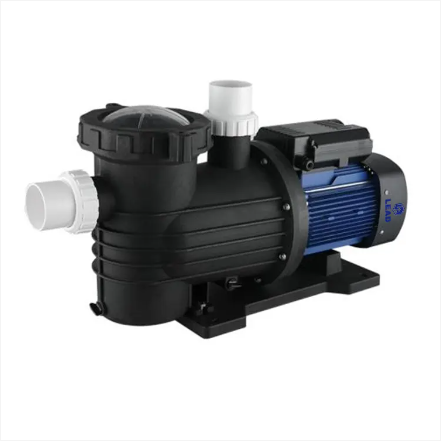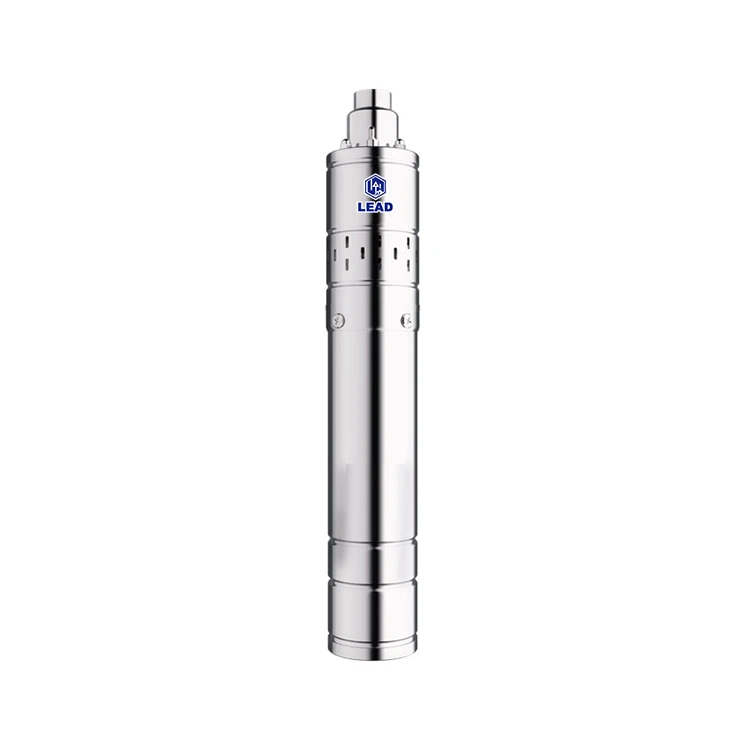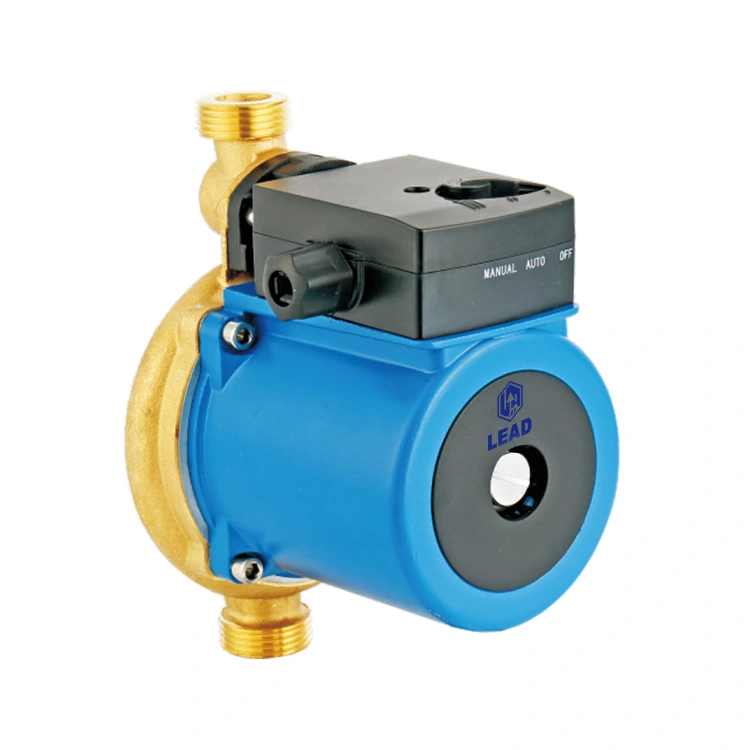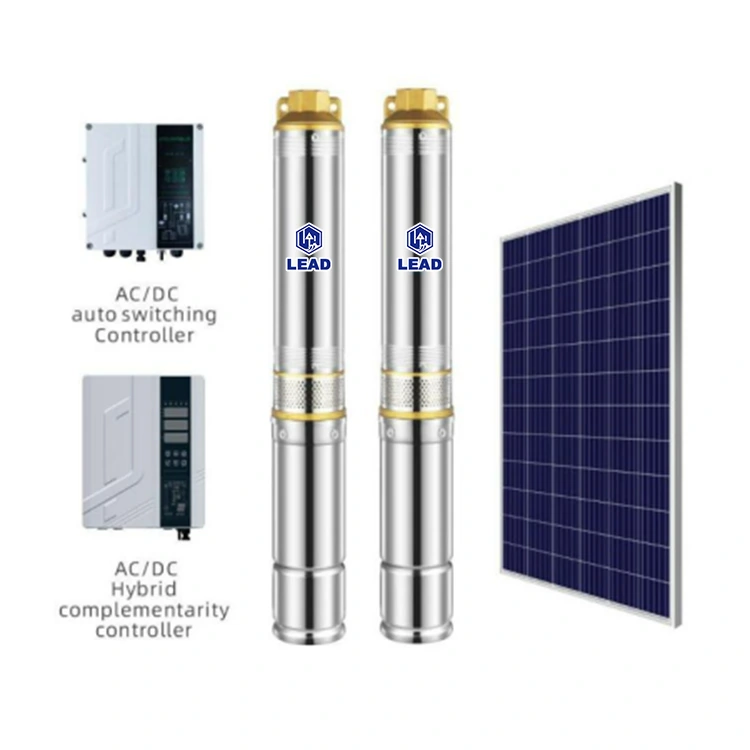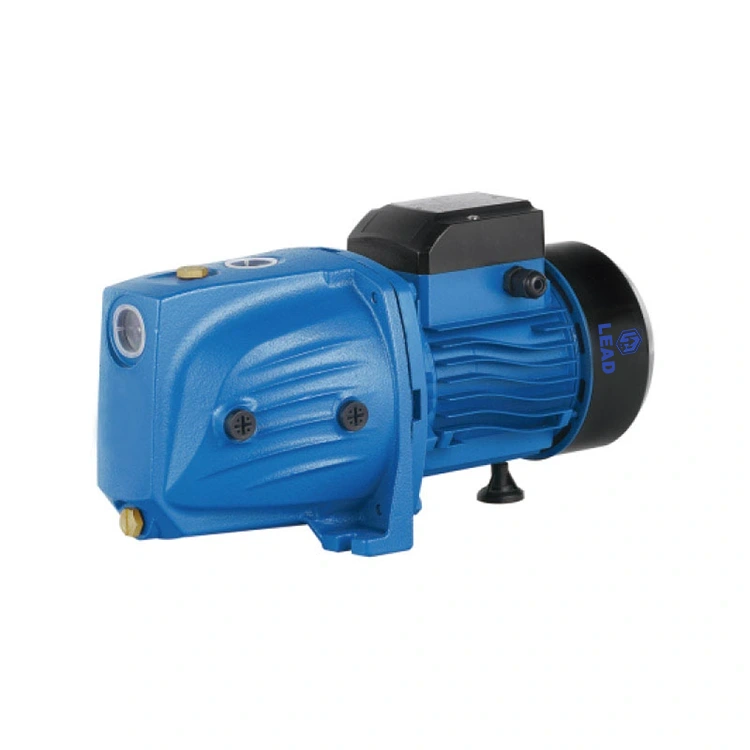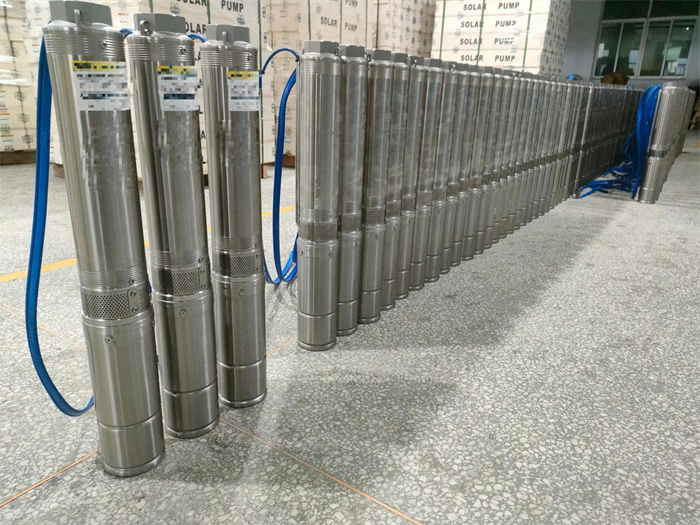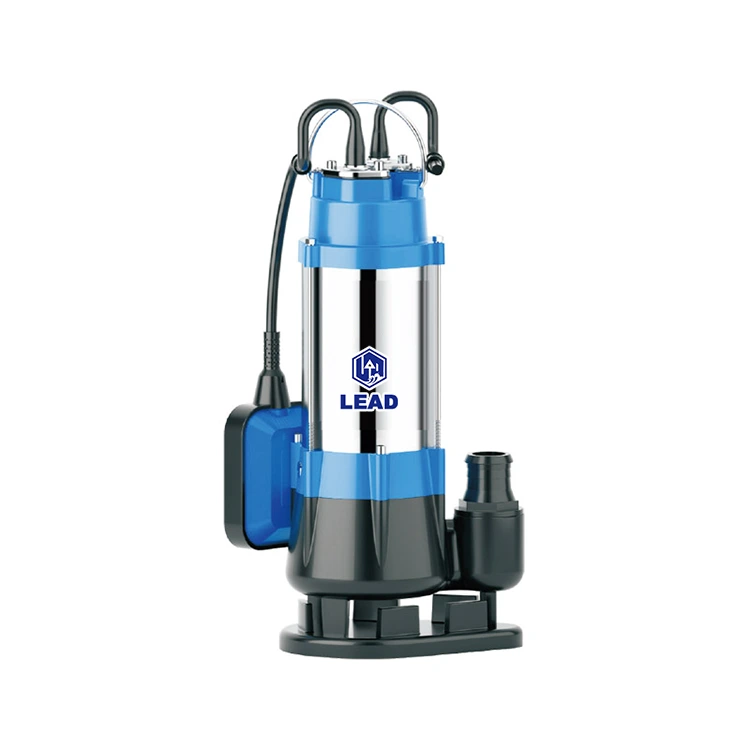
For off-grid homes, farms, mountain villas, and remote worksites, AC/DC Solar Self-Priming Jet Pump with LEAD PUMP provide an affordable, eco-friendly water supply solution without requiring grid power. Unlike submersible pumps, jet pumps are installed above ground (not submerged in water) and use the principle of self-priming to lift water from wells, ponds, or rivers. Combined with solar photovoltaic power and AC/DC dual-mode drive, they can operate continuously even on cloudy days or when grid power is available as a backup.
This guide covers working principles, technical specifications, selection criteria, installation guidelines, and more to help you find the ideal product for your water supply needs.
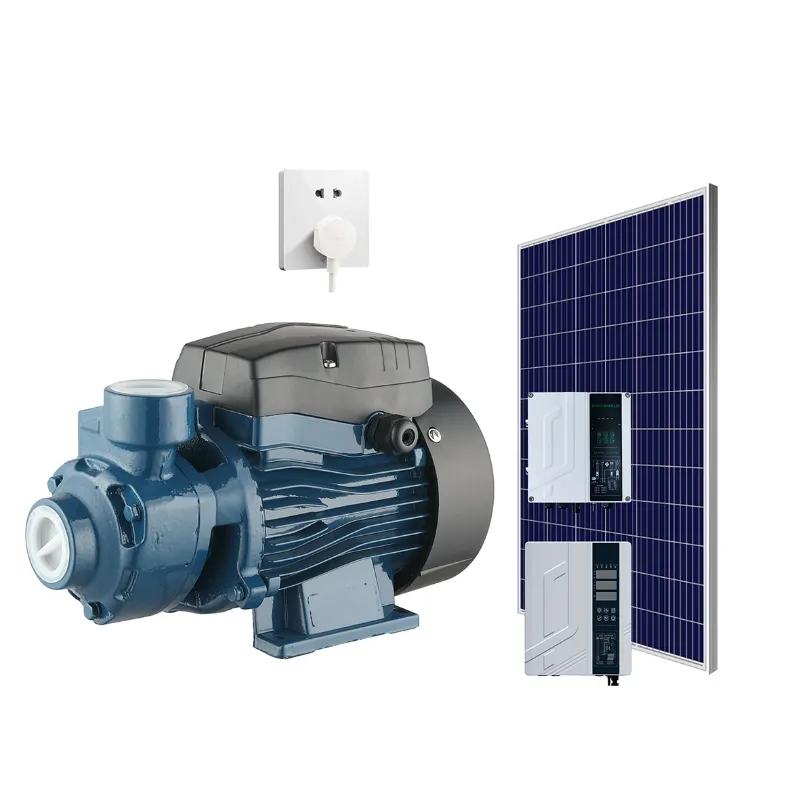
An AC/DC solar self-priming jet pump is a surface-mounted pumping device with the following key features:
• Self-priming design — No need for manual priming; automatically draws water from the source after initial startup
• AC/DC dual-mode power supply — Compatible with both solar DC power and grid AC power for maximum flexibility
• Brushless DC motor — Permanent magnet synchronous motor for high efficiency, long life, and low noise
• MPPT intelligent controller — Automatically tracks the solar panel’s maximum power point to maximize sunlight utilization
• Low maintenance — No underwater seals required, easy to service
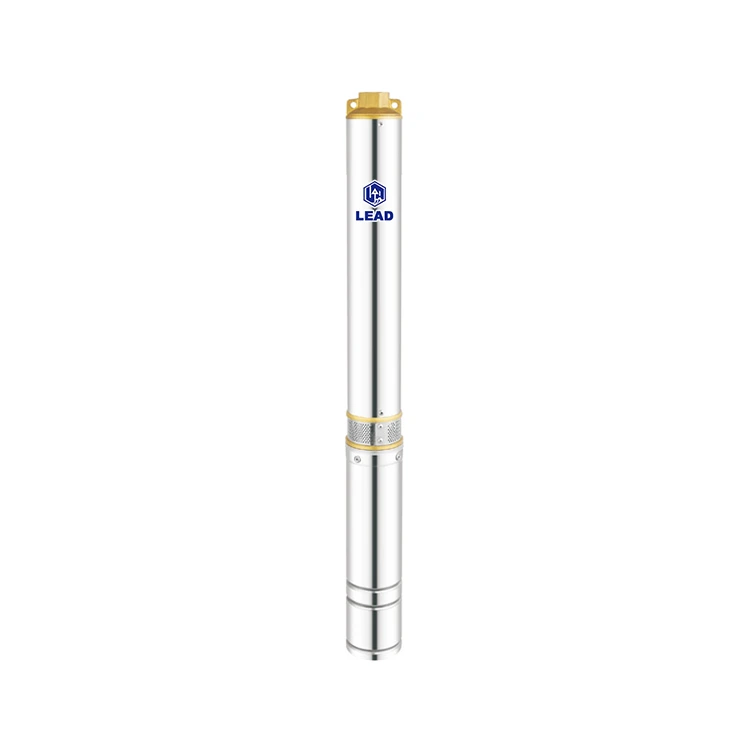
Compared to submersible pumps, jet pumps offer easier installation and maintenance while being less expensive. The trade-off is lower maximum head, making them best suited for shallow wells (typically under 50 meters) and surface water sources.
Off-grid villas, mountain homes, resorts, and holiday cabins. A 1~1.5HP jet pump can easily supply water for a family of 3~5 people.
Small farms, vegetable gardens, and orchards. When paired with solar panels, the pump operates automatically during sunny hours without manual intervention.
Automatic water supply for pastures, poultry farms, and livestock facilities. The pump delivers water to storage tanks with automatic float valve control.
Water replenishment for fire reserve tanks, using solar power to maintain water levels.
Construction sites, field research stations, and temporary camps without grid access.
When selecting a AC/DC Solar Self-Priming Jet Pump, pay attention to these key parameters:
Unit: m³/h (cubic meters per hour) or L/min. Typical domestic jet pump flow rates range from 1~5 m³/h.
Unit: m (meters). Maximum head for solar jet pumps typically ranges from 15~70 meters. Selection depends on actual water source depth and pipe run length.
Units: W (watts) or HP (horsepower). 1HP ≈ 750W. Common sizes: 0.5HP (370W), 1HP (750W), 1.5HP (1100W), 2HP (1500W).
The maximum suction depth for self-priming jet pumps is typically 6~9 meters. Beyond this depth, a submersible pump is recommended.
• DC side: Typically compatible with 24V, 48V, 72V solar panel open-circuit voltages
• AC side: 220V/50Hz (international standard) or 110V/60Hz (North American standard)
The solar charge controller must match the solar panel wattage and voltage. For example, a 1.5HP/1100W pump requires at least 1500W of solar panels.
• Water depth (surface to ground): Above 8m requires high-suction models or a submersible pump
• Horizontal distance: Every 10m of horizontal pipe ≈ 1m of vertical head loss
• Water type: Clean water vs. sandy water (requires wear-resistant materials)
Total Head = Vertical Height + Pipe Loss + Outlet Residual Pressure
Example: - Water source depth: 5m - Horizontal pipe: 50m (equivalent head loss ≈ 5m) - Outlet requires 2kg pressure (≈ 20m head) - Total head ≈ 5 + 5 + 20 = 30m
• Household use: 1~3 m³/h
• Small irrigation: 2~5 m³/h
• Livestock farming: 3~10 m³/h (depending on scale)
AC/DC Solar Self-Priming Jet Pump wattage should be 1.3~1.5 times the pump power. For example, a 750W pump is best paired with 1000~1200W of solar panels.
1. Solar panels — Monocrystalline or polycrystalline, sized to match pump power
2. AC/DC controller — With MPPT function, sometimes integrated into the pump
3. Jet pump unit — Includes ejector and check valve
4. Storage tank — Recommended with float valve for automatic control
5. Pipes and fittings — PE/PPR pipes, sealing tape, connectors
6. Foot valve/strainer — Prevents backflow and debris entry
1. Mount the pump — In a ventilated, dry location, protected from direct sun and rain
2. Connect suction pipe — Install foot valve and strainer at the pipe end, ensuring immersion at least 0.5m below the water surface
3. Connect discharge pipe — Route to storage tank or point of use
4. Prime the pump — Fill the pump body with water through the priming port (first use only)
5. Connect power — Wire controller to solar panels (DC) and/or grid (AC)
6. Test operation — Open the air vent to release trapped air, confirm water flow
• The suction pipe must be perfectly airtight — leaks prevent self-priming
• Mount the pump securely to prevent vibration
• Protect the controller from water and dust
• Install a lightning arrester (recommended for outdoor solar systems)
• Drain the pump body in winter to prevent freeze damage
A: Neither is universally better. Jet pumps are easier to install and maintain, ideal for shallow wells and surface water. Submersible pumps suit deep wells (>20m) with higher efficiency but more complex installation. Choose based on your water depth.
A: Yes, but flow rate decreases. The advantage of AC/DC dual-mode pumps is that you can use grid power (AC) on cloudy days for uninterrupted water supply.
A: Standard self-priming jet pumps work within 7~9 meters. Beyond this depth, consider a submersible pump.
A: Solar panel wattage should be 1.3~1.5 times the pump’s rated power. Voltage must match the controller’s input voltage range. Contact your supplier for a recommended configuration.
A: Standard models are designed for clean water. Sandy or corrosive fluids require specialized models with stainless steel impellers or anti-corrosion coatings.
AC/DC solar self-priming jet pumps are the ideal choice for off-grid, remote area, or emergency water supply. They combine the eco-friendliness of solar power with the reliability of grid backup, are easy to install, and have low maintenance costs. When selecting, focus on three core parameters: water source depth, required head, and flow rate. With the right solar configuration, you can build a stable and efficient off-grid water supply system.
For specific selection advice or custom solutions, feel free to contact our technical team.
Lead Pump — Lead Your Water Life Easier