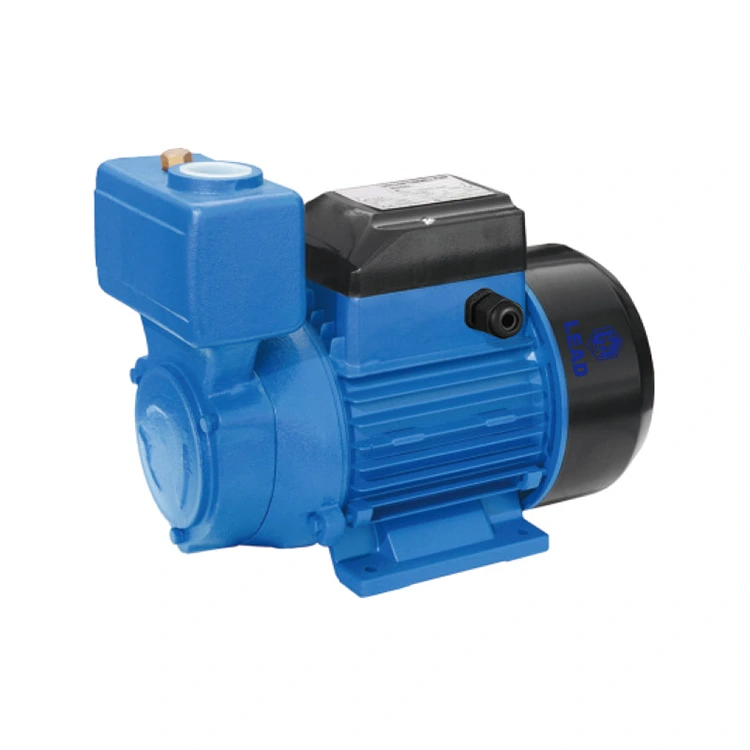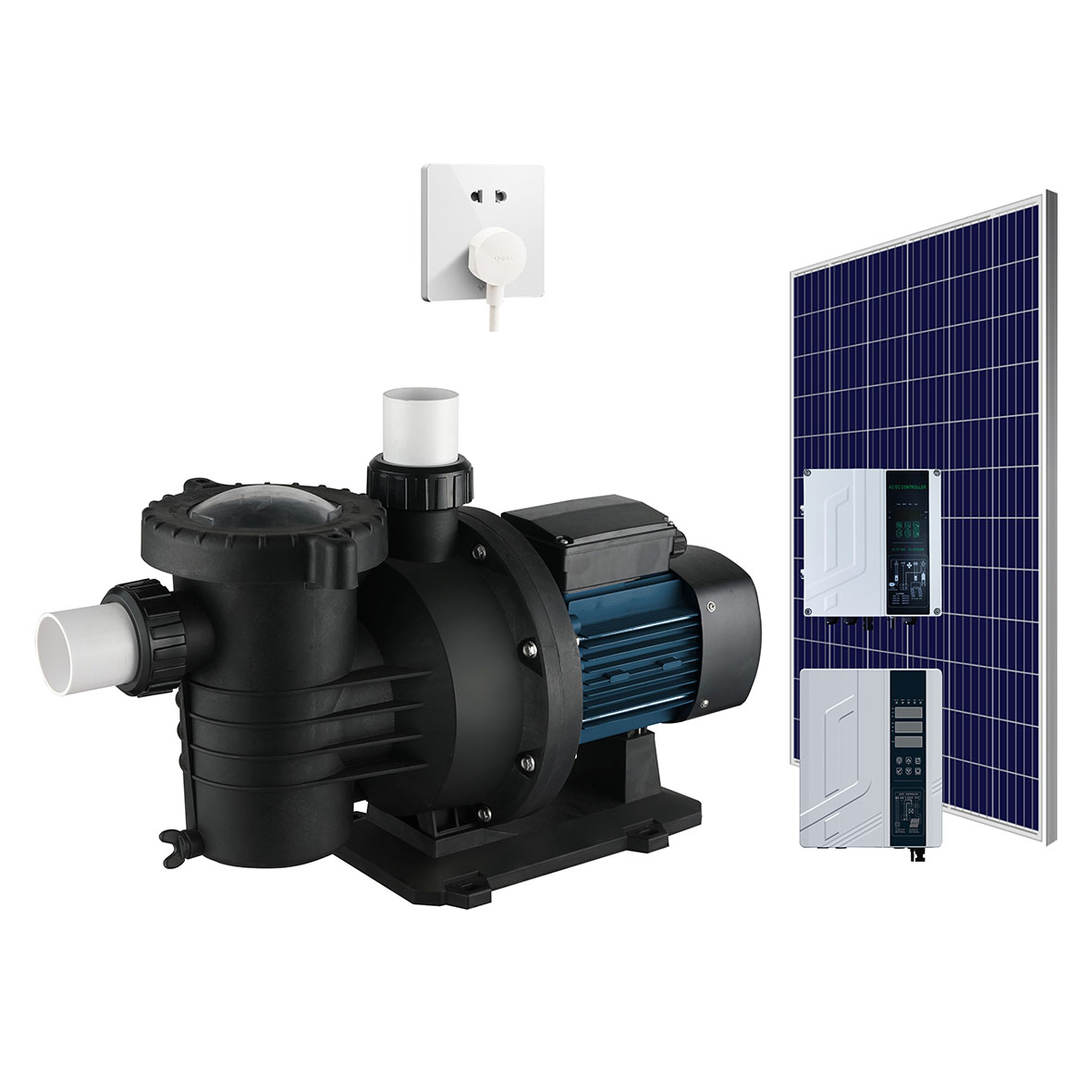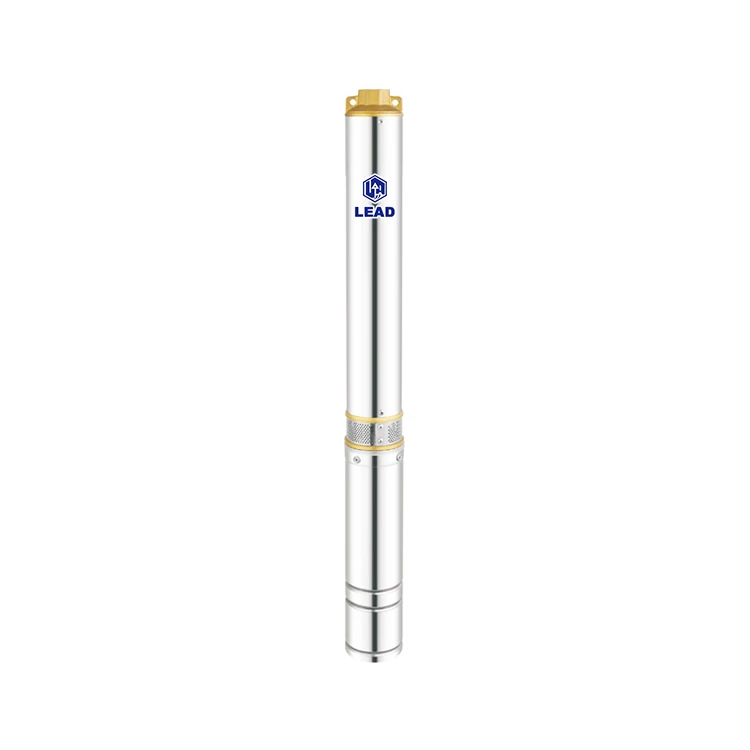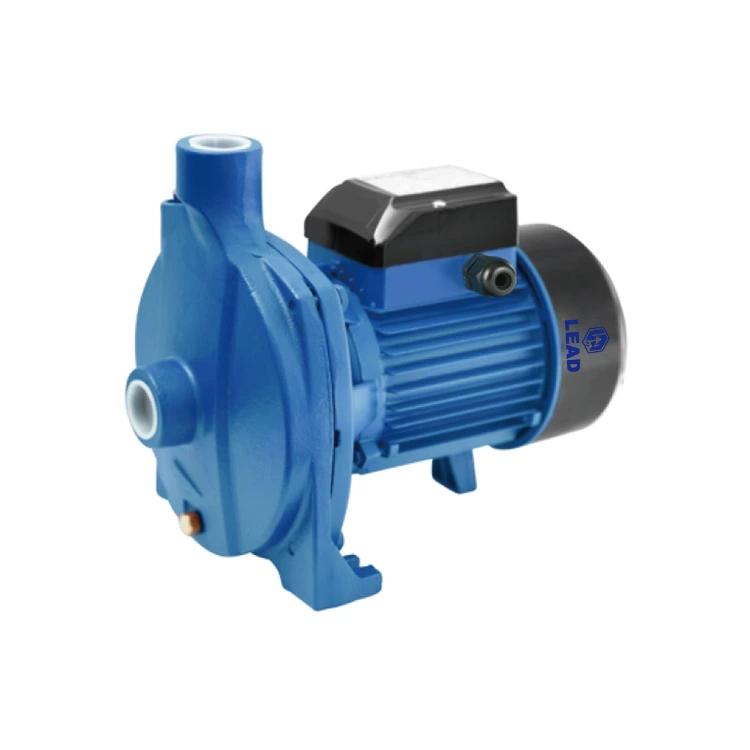
Nigeria is Africa's largest economy and most populous nation, home to more than 220 million people. It is also one of the sunniest countries on the planet. When you combine abundant solar radiation with an unreliable national power grid and a fast-growing agricultural sector, the result is one of the most attractive solar water pump markets in the world. For manufacturers and suppliers of solar water pumps, Nigeria is not just an emerging market—it is a golden one.
Abundant solar resources. Nigeria receives an average of 4.5–7.0 kWh/m² of solar radiation per day, and the northern regions enjoy 6–8 hours of peak sunshine daily. This makes solar-powered pumping both technically feasible and economically attractive across most of the country.
An unreliable national grid. The Nigerian power grid suffers frequent collapses, and fewer than 60% of the population has dependable access to electricity. In rural areas, grid power is simply not a reliable option for irrigation or water supply—which is precisely where solar pumps step in.
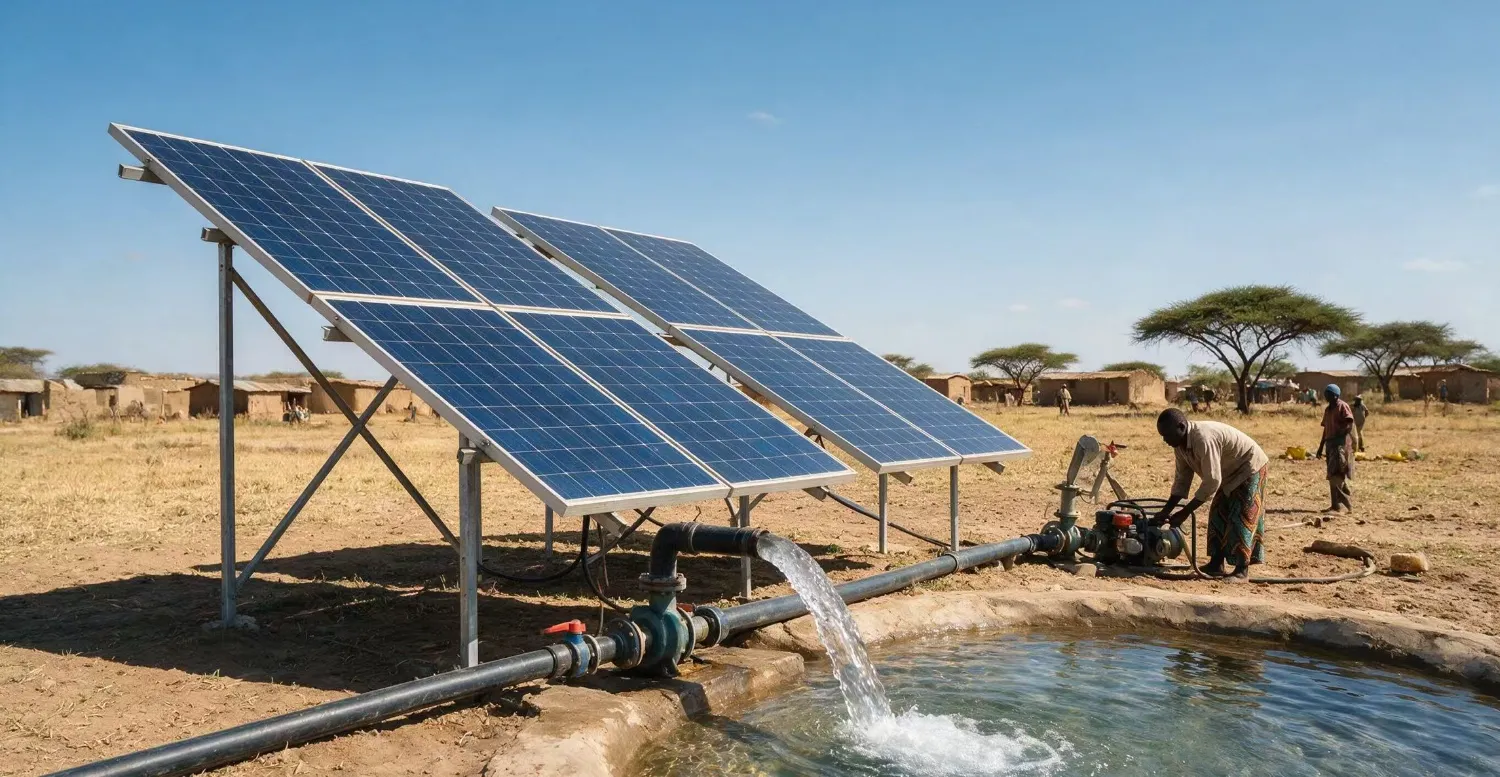
The rising cost of diesel. Most Nigerian farmers currently pump water with diesel or petrol generators. As fuel prices keep climbing, the operating cost of generator-based pumping has soared. Solar water pumps, by contrast, run on free sunshine and typically pay for themselves within 1–2 years, making the switch an obvious economic decision.
Government policy support. The federal government and many state governments are actively promoting solar irrigation through rural electrification programs and agricultural modernization initiatives. This policy tailwind is accelerating market growth year after year.
Population growth and food security. With more than 220 million people and agriculture employing roughly 35% of the workforce, Nigeria must produce more food with more reliable irrigation. Solar pumps are becoming the backbone of this transformation.
Fuel price pressure. Every increase in diesel prices pushes more farmers, commercial growers, and water vendors toward solar solutions.
Climate change. Erratic rainfall and longer dry seasons are forcing farmers to invest in irrigation infrastructure they previously did not need.
Donor and NGO projects. International development agencies are funding solar irrigation projects across Nigeria, creating direct demand today and powerful demonstration effects for tomorrow.
Agricultural irrigation: drip and sprinkler irrigation for maize, rice, vegetables, and cash crops.
Livestock watering: reliable clean water supply for cattle, goats, sheep, and poultry.
Household and community water supply: borehole pumping for homes, schools, and villages.
Aquaculture and fish farming: maintaining water levels and circulation in fish ponds.
Commercial farms and plantations: large-scale irrigation for orchards and estates.
Power and performance matching. Solar water pumps ranging from 220W to 15,000W cover everything from shallow wells to deep boreholes and large-scale irrigation systems. Selecting the right power, head, and flow rate is the single most important decision.
Quality and certifications. Choose products from manufacturers with proven quality control and international certifications such as CE, RoHS, and ISO 9001:2015.
Warranty and after-sales. In markets where local after-sales support is limited, a strong warranty is essential. A supplier offering a 2-year warranty on the pump body, a 1-year warranty on the controller, and no-questions-asked replacement gives buyers genuine peace of mind.
Payment and logistics. Flexible payment terms—including local currency payment options—and reliable FOB China shipping reduce friction for Nigerian buyers and make repeat business easier.
Taizhou Lead Pump Co., Ltd.—with the slogan "Lead Your Water Life Easier"—is a professional solar water pump manufacturer serving customers across Africa, Asia, the Middle East, and Latin America. Here is how we serve the Nigerian market:
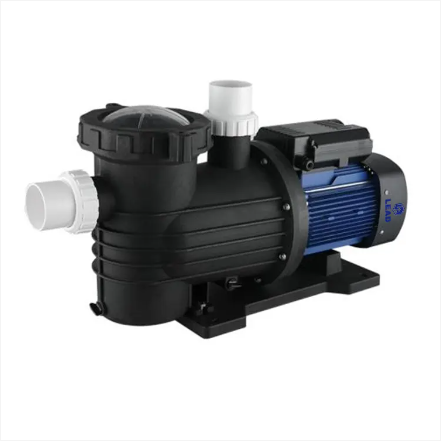
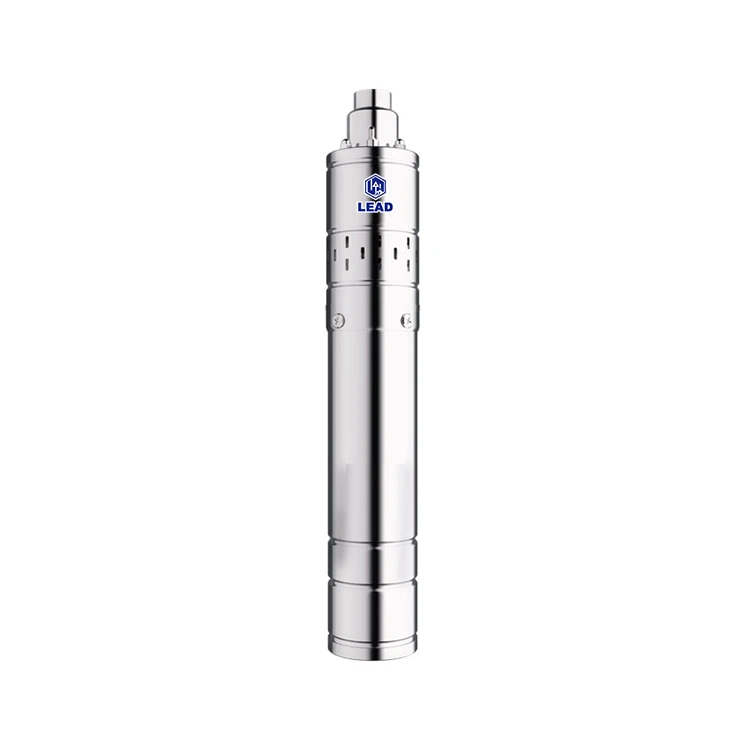
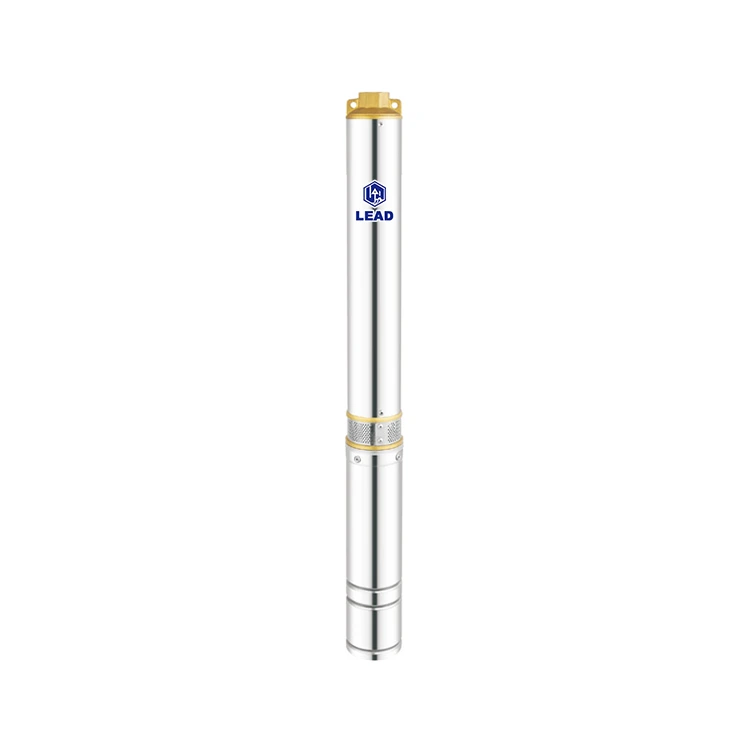
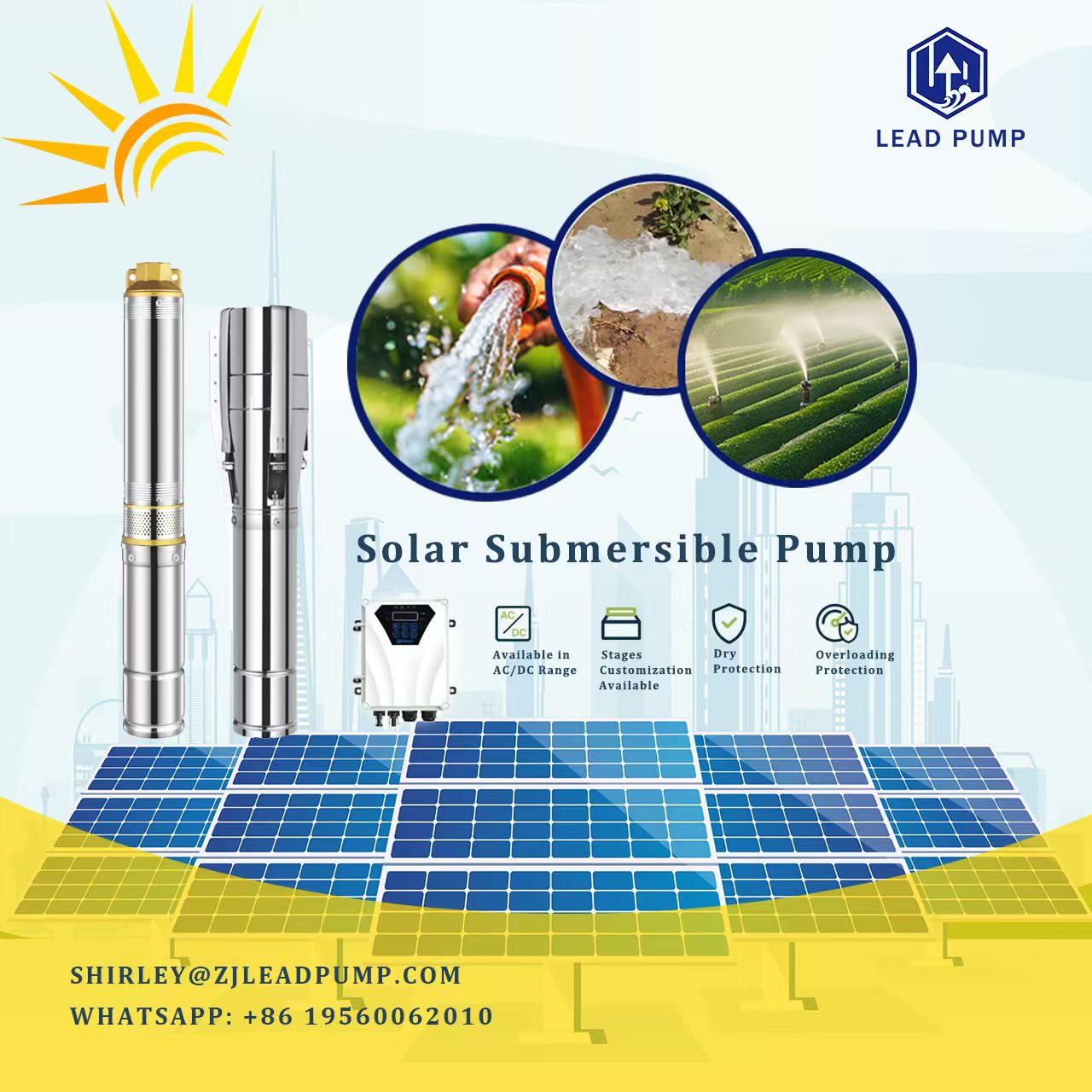
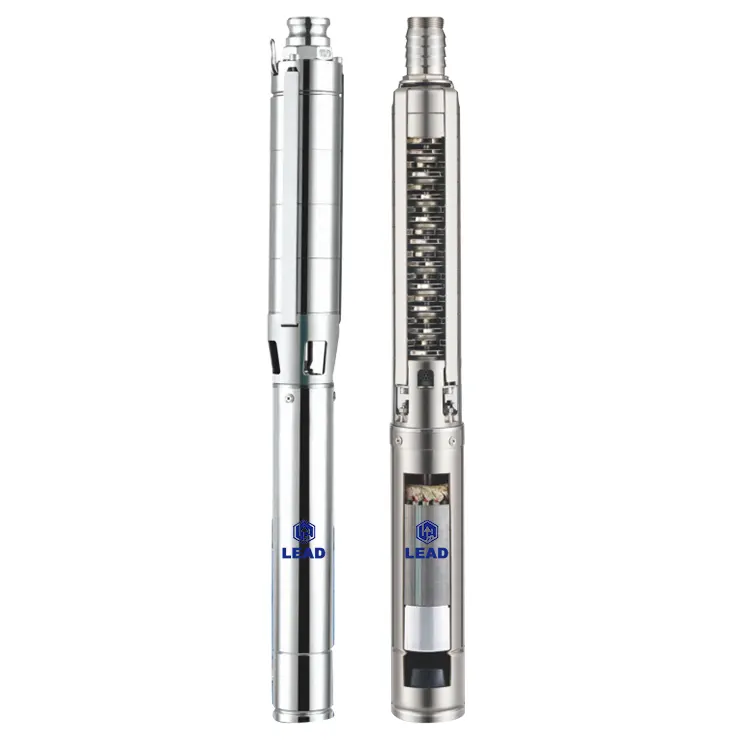
Full power range: AC/DC solar pumps from 220W to 15,000W, in both surface and submersible models, to match every application from household supply to large-scale irrigation.
Flexible ordering: sample orders of 1–5 units to test quality first; OEM orders from 50 units per model; wholesale orders of 50+ units per model.
Localized service in Africa: we maintain local company accounts in Nigeria, Tanzania, Kenya, South Africa, Ghana, and Cameroon, so customers can pay in their local currency—no more FX headaches.
Worry-free warranty: 2 years on the pump body and 1 year on the controller; if any problem occurs, we replace the unit with a brand-new one—no questions asked (FOB China).
Certified quality: CE, RoHS, and ISO 9001:2015 certified, with quality you can verify.
Nigeria's solar water pump market is booming, driven by abundant sunshine, an unreliable grid, rising fuel costs, and strong policy support. For distributors, farmers, and project developers, solar pumps are no longer a luxury—they are the smartest way to secure water for people, crops, and livestock.
If you are looking for a reliable solar water pump partner for the Nigerian market, Lead Pump is ready to support you with quality products, flexible order terms, and truly localized service.
Contact us:
Website: www.zjleadpump.com | Email: sales01@zjleadpump.com | WhatsApp: +86 195 6006 2010