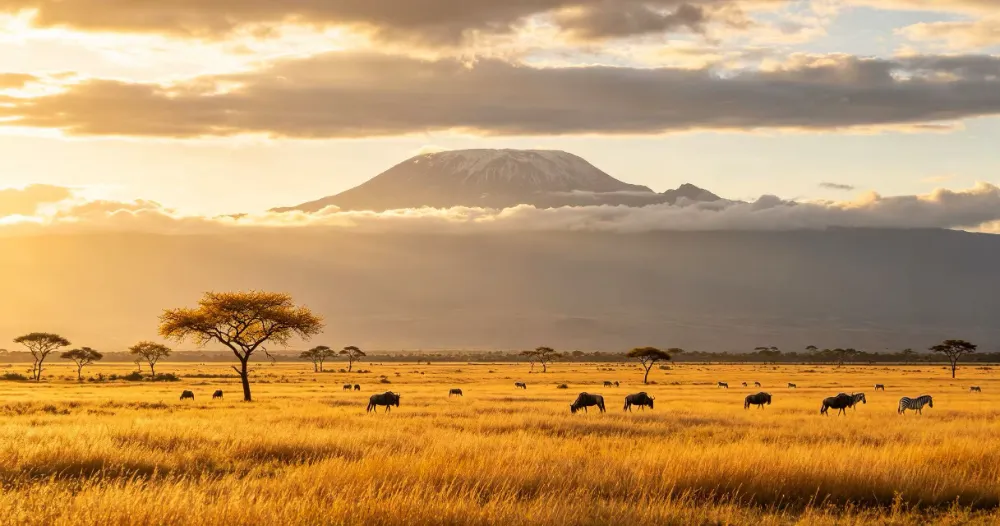
Tanzania pairs the two things solar pumping needs most: a strong solar resource and a large, mostly rain-fed agricultural economy. Roughly a quarter of GDP and most employment come from agriculture, yet the country still irrigates only a small slice of its irrigable land, and most farmers depend entirely on rainfall. Every hectare that moves from rain-fed to irrigated creates demand for a pump and a power source — and off-grid solar is the cheapest way to power that pump where the grid is weak or absent.
Two more factors make Tanzania strategically important. First, it has genuine commercial agriculture — sugar, rice, tea, cotton, horticulture, coffee and one of Africa's largest cattle herds — that buys on quality, warranty and uptime, not only price. Second, Dar es Salaam is a gateway port for landlocked neighbours (Zambia, DRC, Burundi, Rwanda, Uganda and Malawi), so a successful Tanzanian importer can re-export pumps and spares across the region.
| Indicator | Approximate value | Why it matters for solar pumps |
|---|---|---|
| Solar resource | 4.5–6.5 kWh/m²/day; ~2,800–3,000 sun hours/year | Near-nationwide viability, high plateau and central zones especially strong |
| Agriculture share | ~25–27% of GDP; ~65% of employment | Large, policy-prioritised customer base |
| Irrigated land | Only a small share of a very large irrigation potential | Decades of irrigation growth still ahead — pump demand is structural |
| Rural grid reliability | Expanding (TANESCO / REA) but often unstable | Both off-grid and backup pumping are strong |
| Diesel cost | Broadly TZS 2,700–3,200 per litre (fluctuating) | Diesel pump running cost is the main pain point |
| Currency | Tanzanian Shilling (TZS) | Local-currency payment reduces dealer FX risk |
| Pump supply | Mostly imported; China and India dominant | Importer/distributor channel is the route to market |
Tanzania applies a standard VAT rate of 18%, and solar and renewable-energy equipment has at times enjoyed VAT relief or zero-rating under the VAT Act, together with reduced import duty on panels and related goods. These exemption schedules change with every annual Finance Act, so always confirm the current treatment of panels, controllers and pumps before you quote a customer or clear a shipment.
| Zone | Typical regions | Main applications | Sweet-spot equipment |
|---|---|---|---|
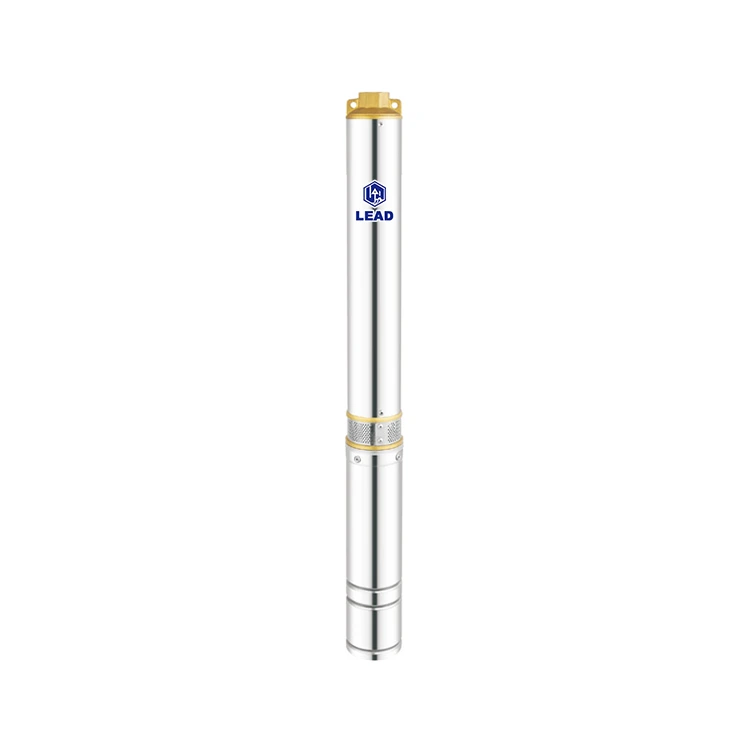
| Lake Zone | Mwanza, Mara, Kagera, Geita, Simiyu, Shinyanga | Cotton, rice, livestock, Lake Victoria fishing and processing | 4" submersible 1500–2200W; robust DC models for livestock |
| Northern Highlands | Arusha, Kilimanjaro, Manyara, Tanga | Horticulture, flowers, coffee, dairy; deeper boreholes | 4" 1500–2200W; AC/DC hybrid; higher heads |
| Southern Highlands / SAGCOT | Mbeya, Iringa, Njombe, Songwe, Rukwa, Morogoro | Maize, rice, tea, potatoes, large farms | High-flow 4"/6" pumps; AC/DC hybrid |
| Central / semi-arid | Dodoma, Singida, Tabora | Sunflower, grapes, livestock; drought-prone | 3" and 4" DC submersible 750–1500W |
| Coast and deltas | Dar es Salaam, Pwani, Lindi, Mtwara, Morogoro (Kilombero/Rufiji) | Rice, sugarcane, vegetables; brackish water | Full 304/316 stainless 4SP/3SP; surface pumps |
| Farm situation | Recommended product | Typical power / head |
|---|---|---|
| Smallholder drip irrigation (up to ~1 ha) | 3" or 4" DC solar submersible | 750–1500W; 40–100 m head |
| Medium farm (1–5 ha), borehole | 4" DC or AC/DC hybrid submersible | 1500–2200W; 60–150 m head |
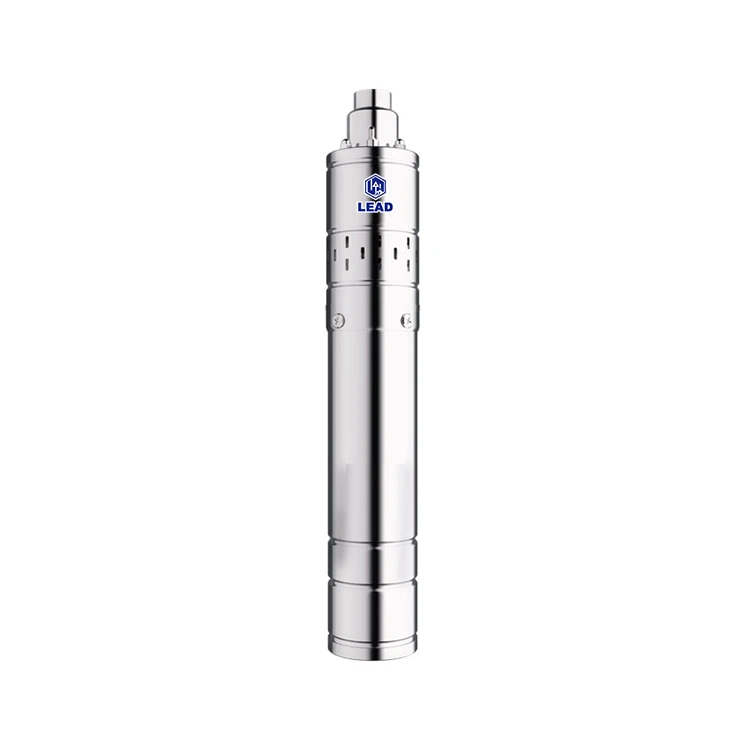
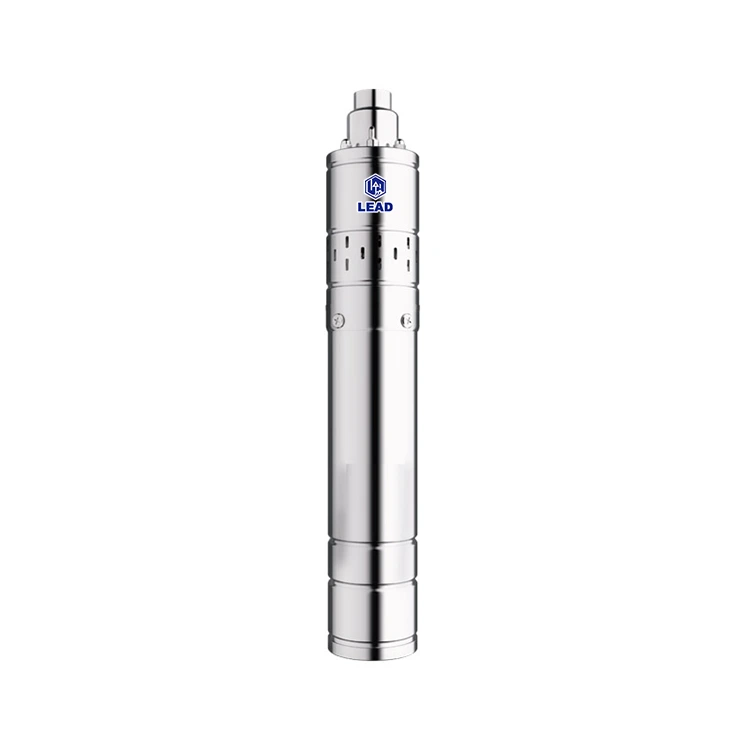
| Deep borehole (over ~100 m) | 4" full-stainless 4SP | up to 265 m head |
| Brackish, coastal or saline water | 4SP / 3SP full 304/316 stainless | 750–1500W |
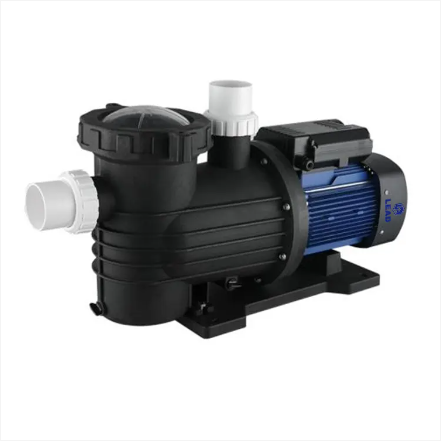
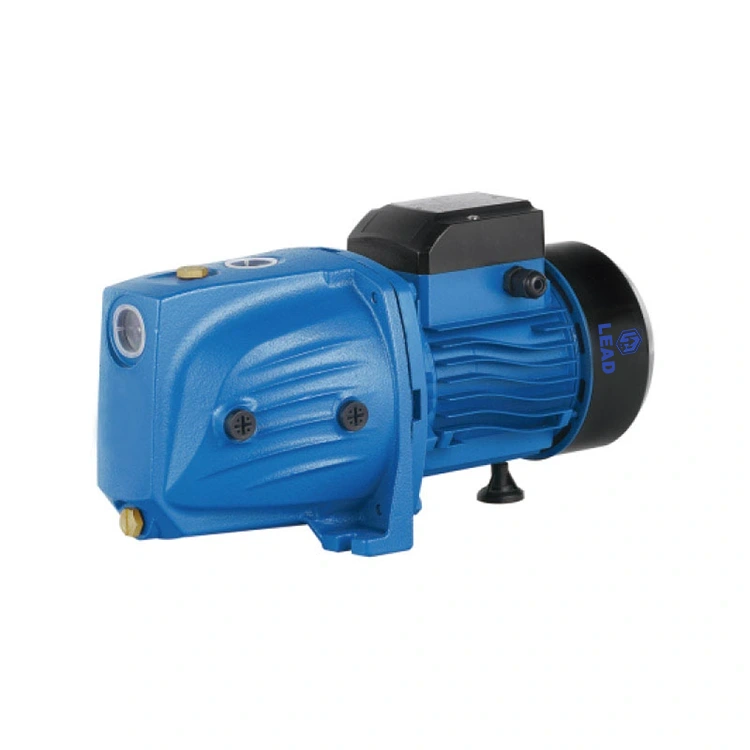
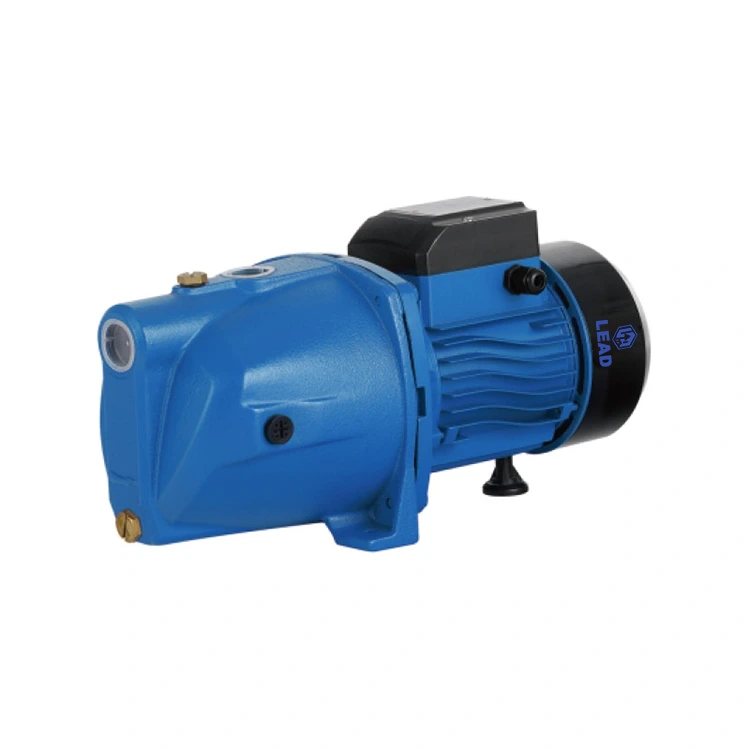
| River, canal or tank-fed surface irrigation | Surface centrifugal (e.g. SBG, JET) or solar screw pump | varies with flow and lift |
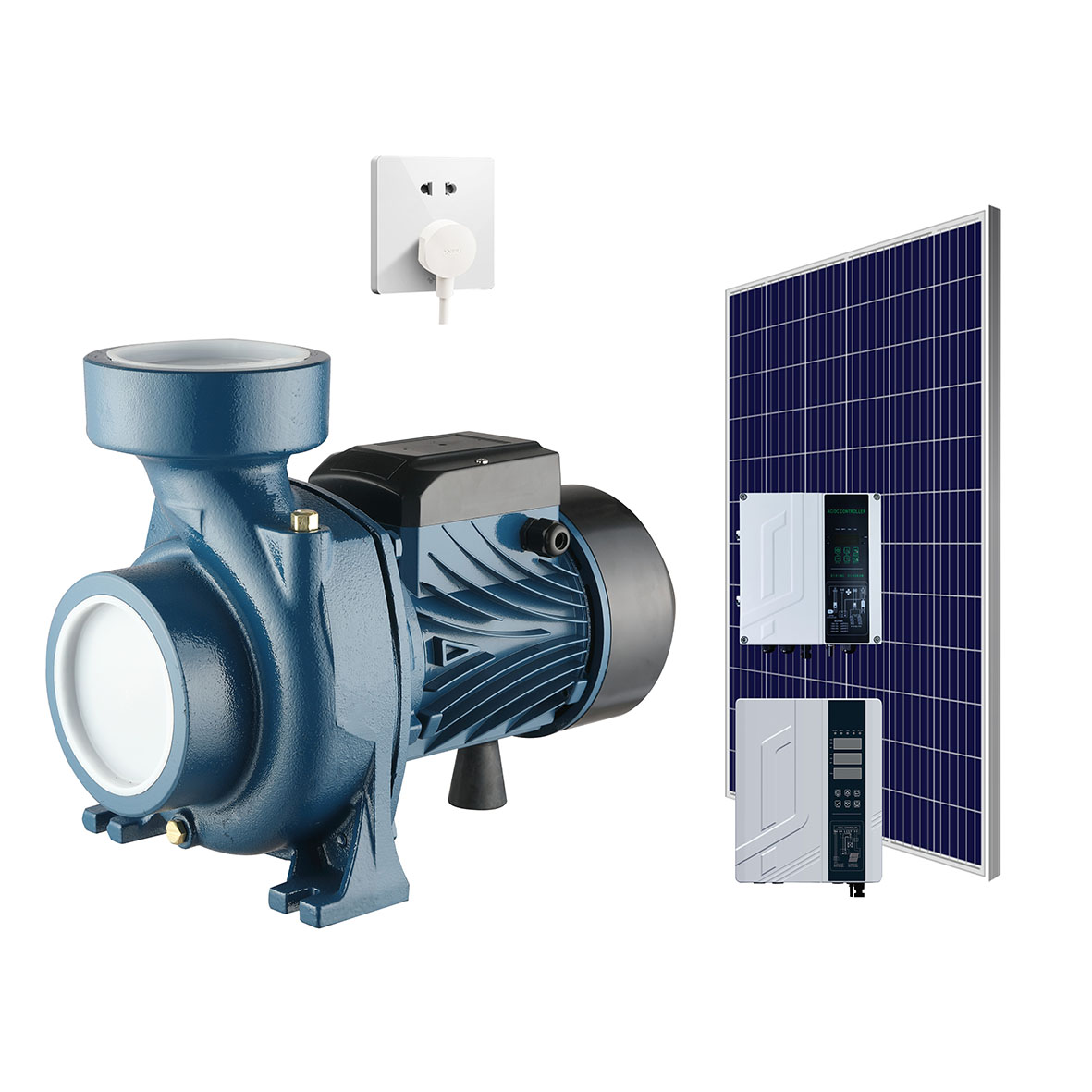
| 24-hour pumping with grid or generator | AC/DC hybrid + grade 3/4 controller | any hybrid model |
| Livestock and ranch watering | Robust 4" DC submersible | 750–1300W |
The single most useful technical tool in a Tanzanian sales conversation is the model code. Reading a name like 4SD7-165-300-2200-A/D tells the customer the borehole size (4"), series (SD), flow (7 m³/h), head (165 m), DC voltage tier (300V), power (2200W) and that it is dual-power (AC/DC). Dealers who can size a pump correctly in front of the farmer win the sale and avoid costly under-sizing complaints.
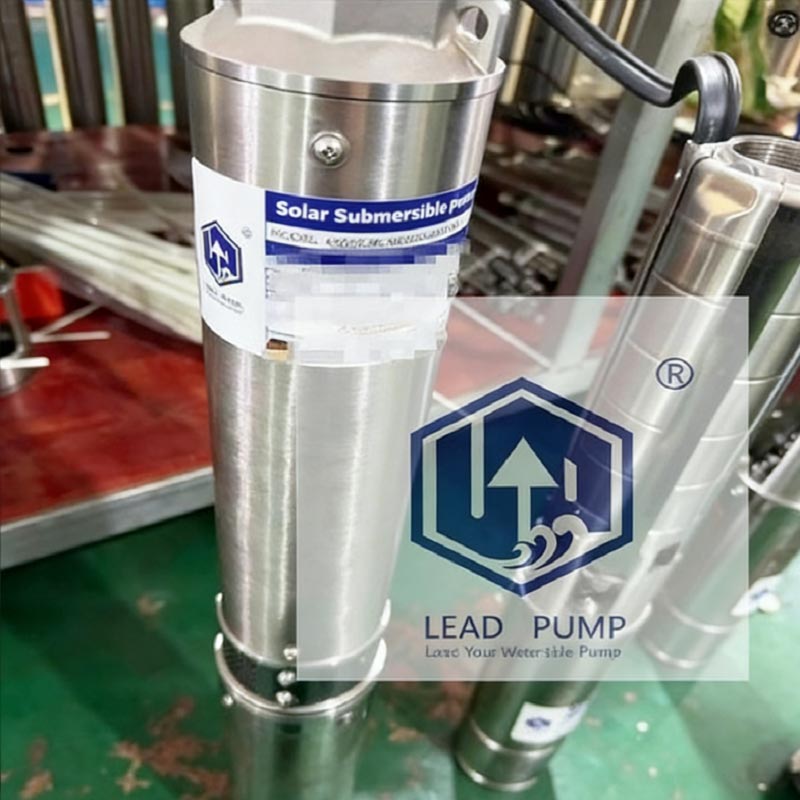
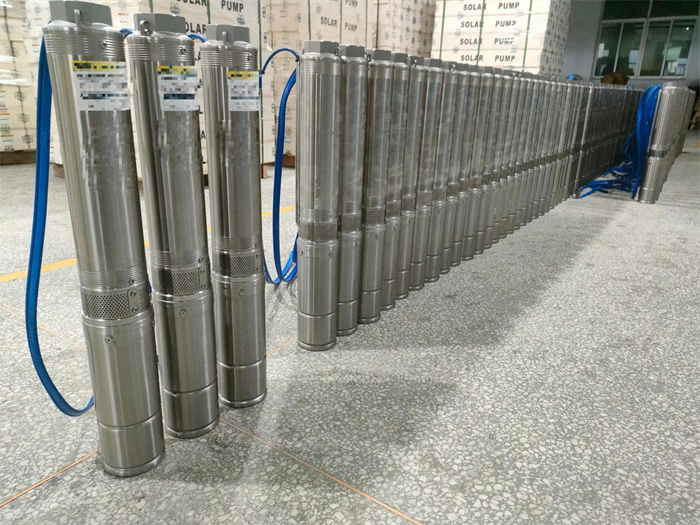
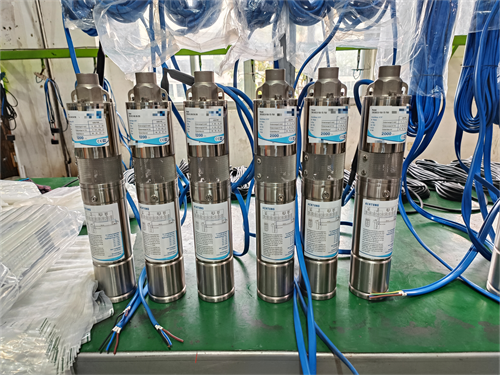
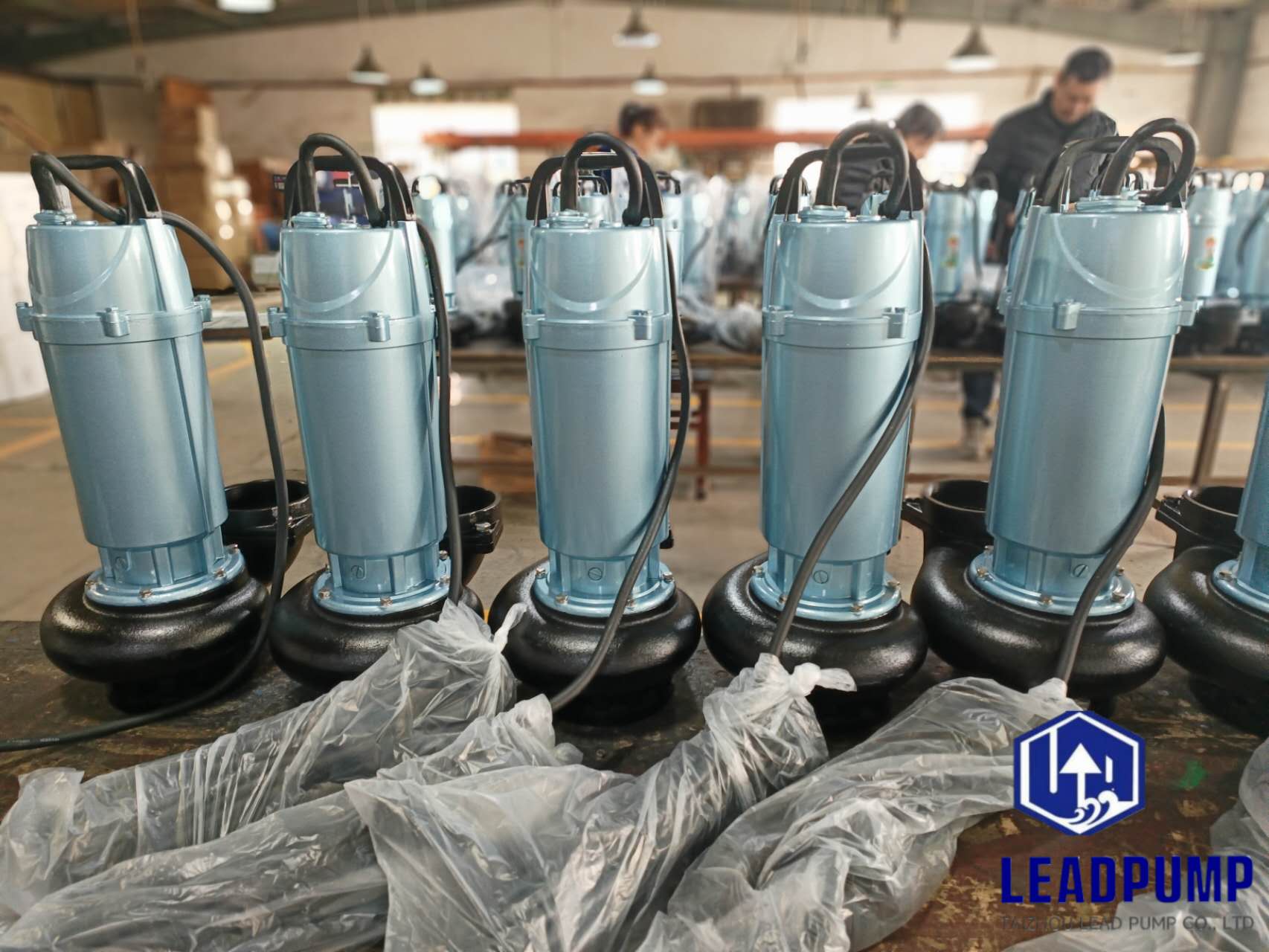
Taizhou Lead Pump Co., Ltd. (Lead Pump) manufactures solar submersible, surface, centrifugal and screw pumps with a full solar range from 220W to 15,000W — from household and livestock supply to multi-hectare farm irrigation. Tanzanian partners get commercial terms designed for first-time importers and scaling distributors alike.
Commonly around one to three years for farms and ranches that replace diesel pumping, because fuel and maintenance costs drop to near zero. Actual payback depends on pump size, water demand and current fuel prices.
No. Solar pumps store water, not electricity. Where 24-hour pumping is needed, an AC/DC hybrid pump switches to grid or generator power at night instead of using a battery bank.
A 3-inch or 4-inch DC submersible sized to the borehole's dynamic water level and daily water requirement — for example a 750–1500W, 40–100 m head model for smallholder drip irrigation or livestock watering.
Yes — choose the full 304/316 stainless steel 4SP/3SP series, which is specified for seawater and light-corrosive water; plastic-impeller pumps are not suitable there.
Solar and renewable-energy equipment has at times received VAT relief or zero-rating, which improves payback, but the schedules change with each Finance Act — confirm the current treatment before quoting or clearing a shipment.
OEM/ODM starts at 50 units per model; samples of 1–5 units are available for market testing, and wholesale orders are 50+ units per model.