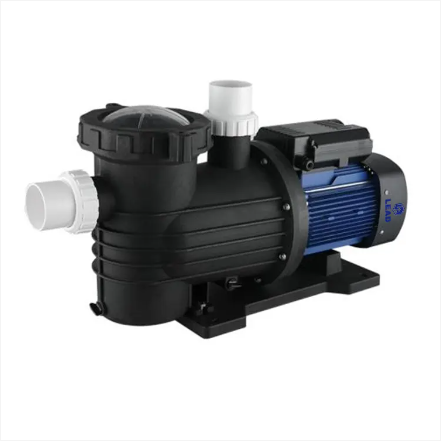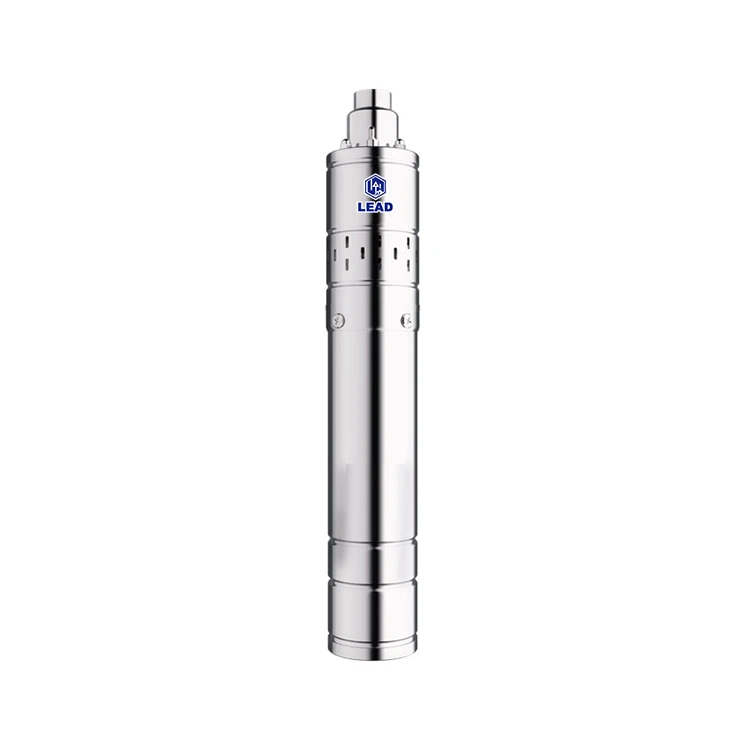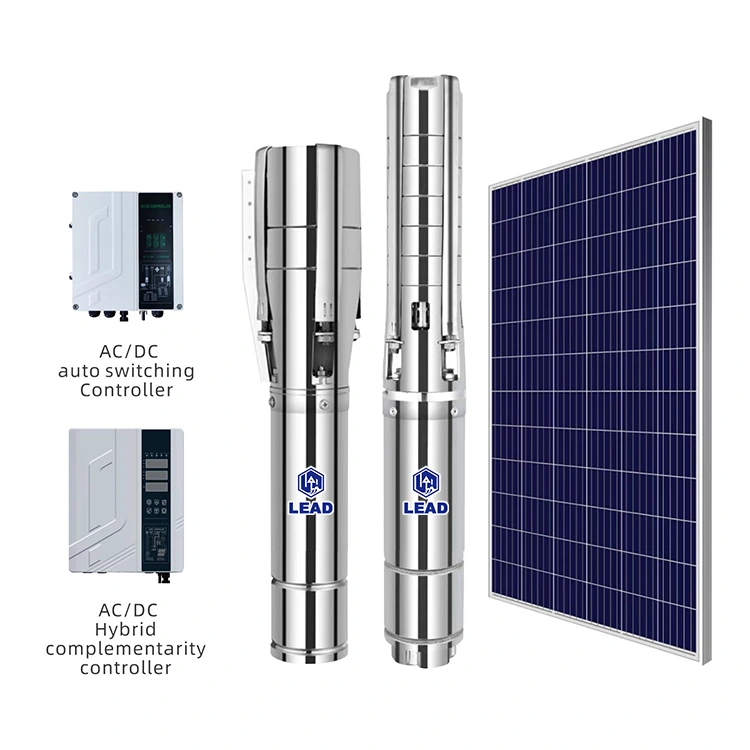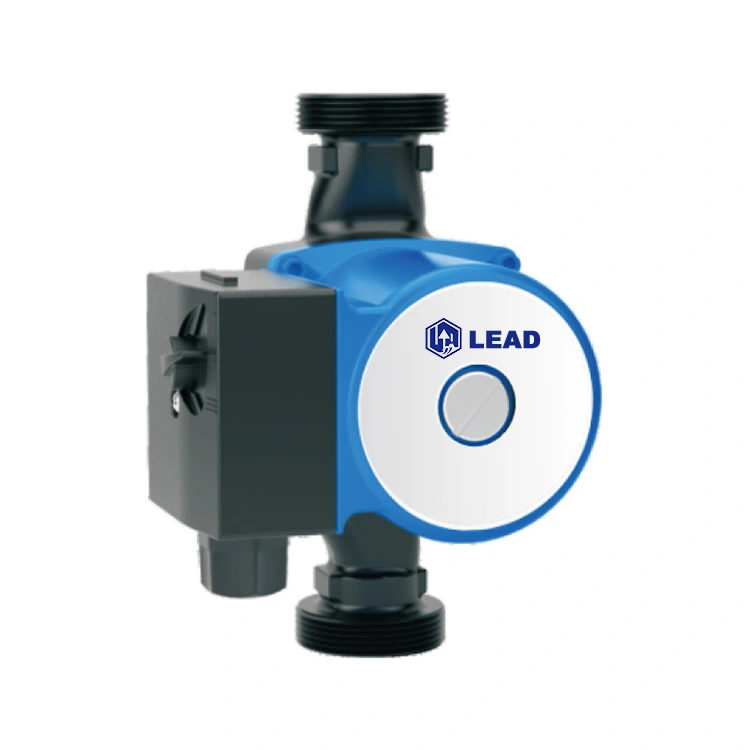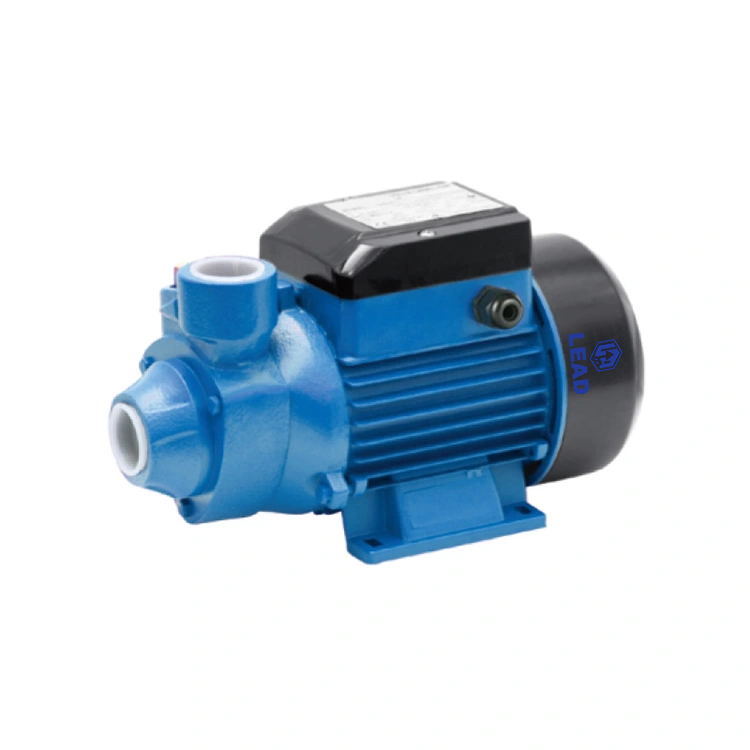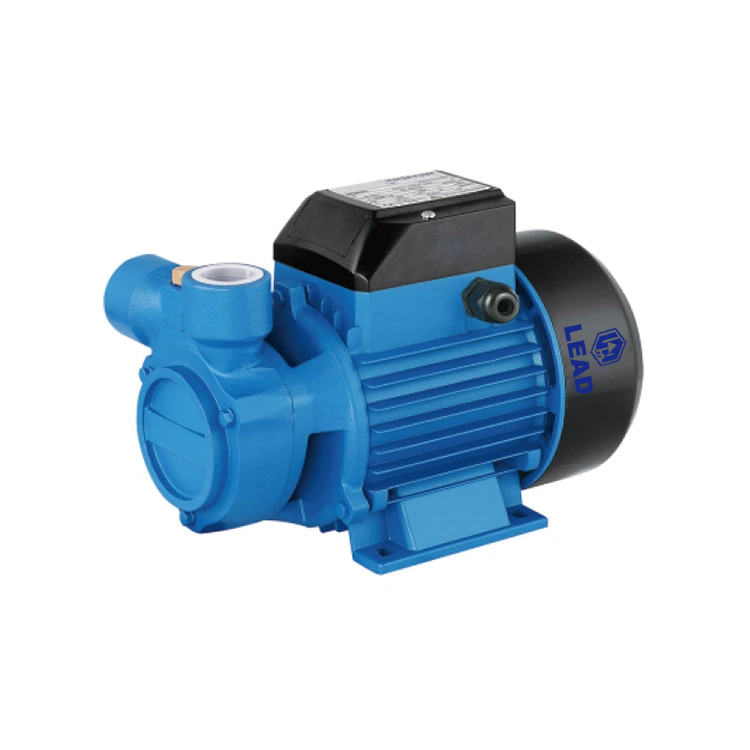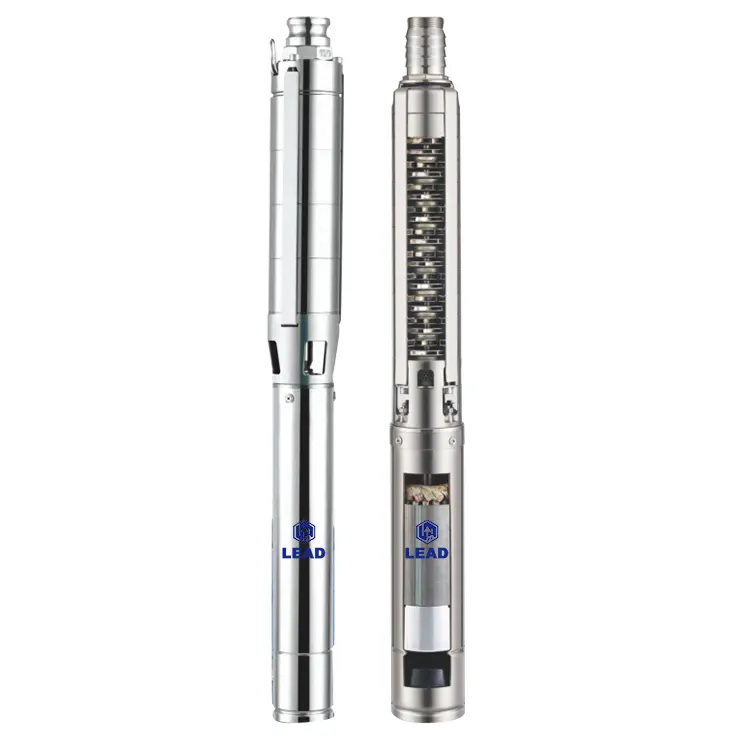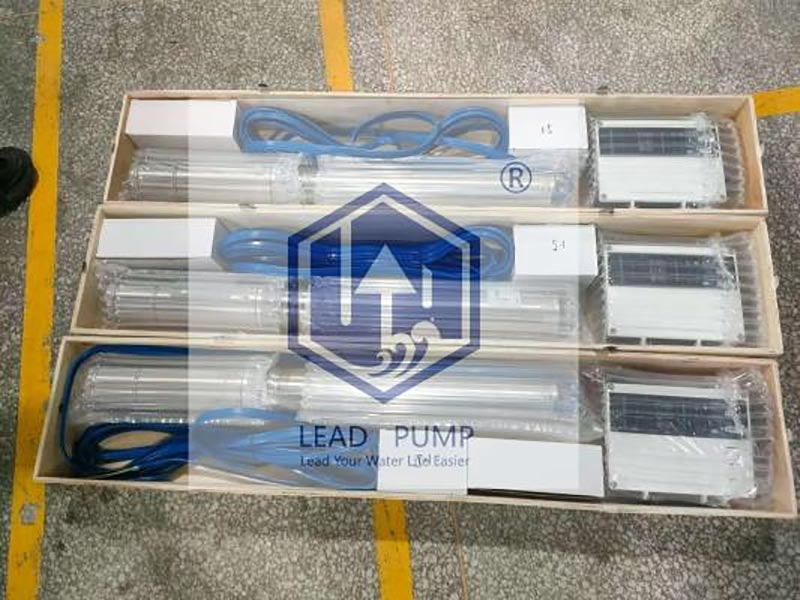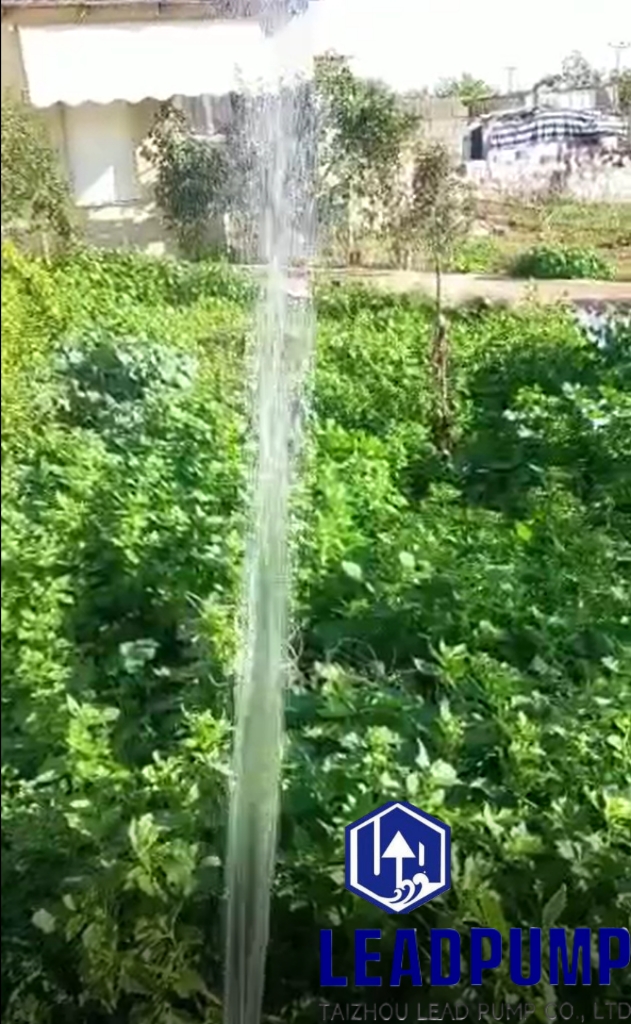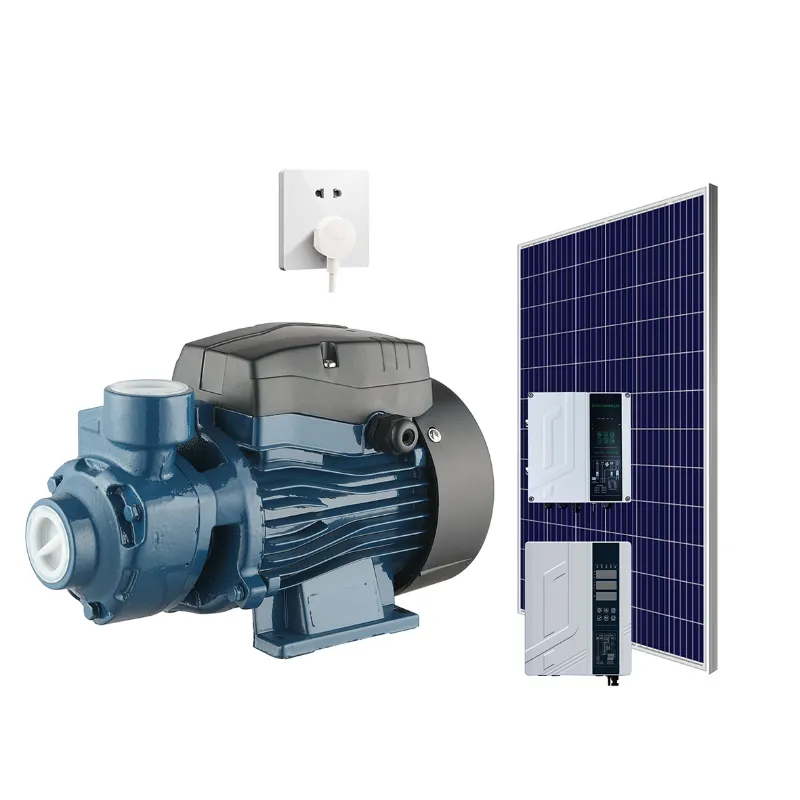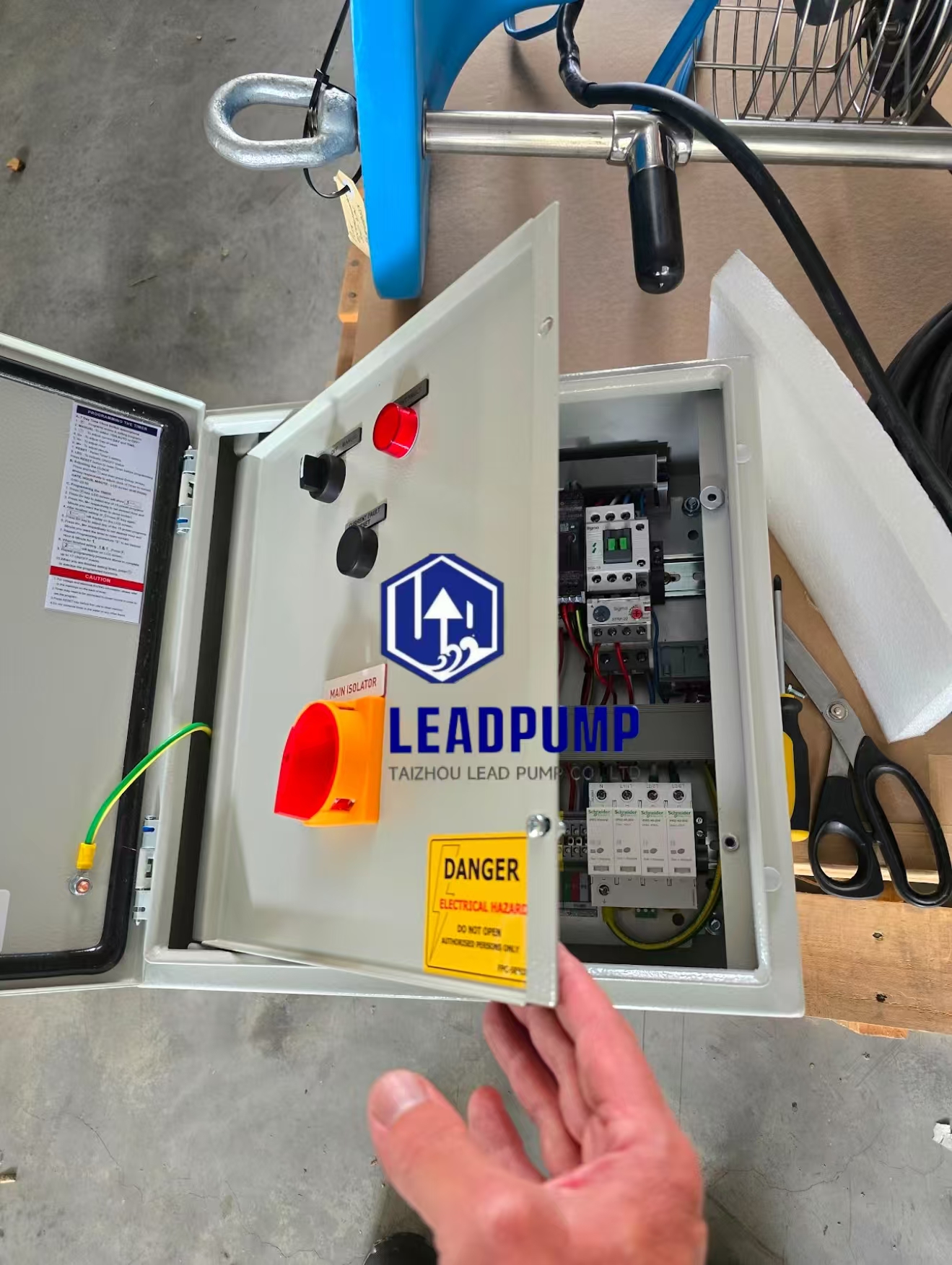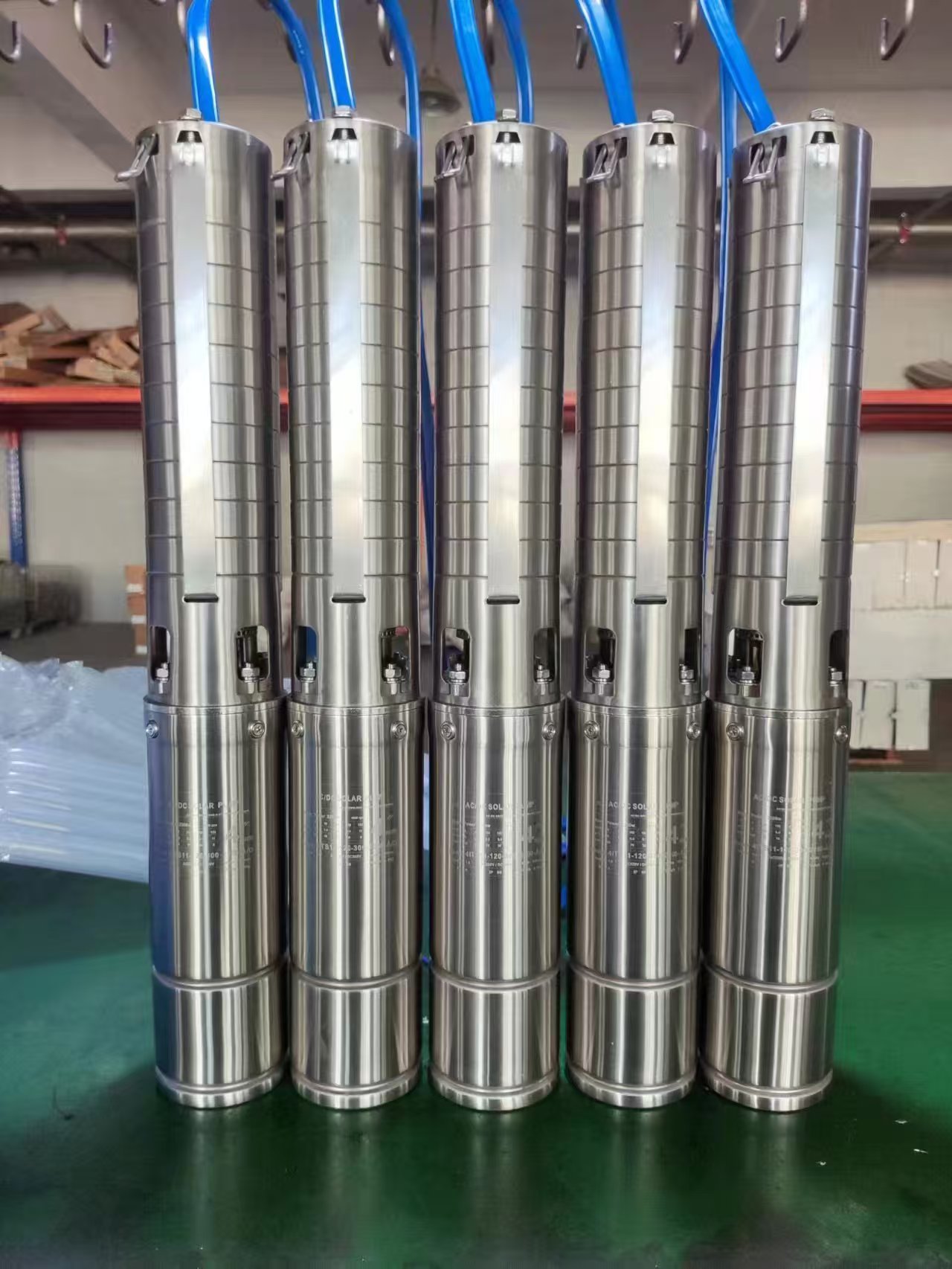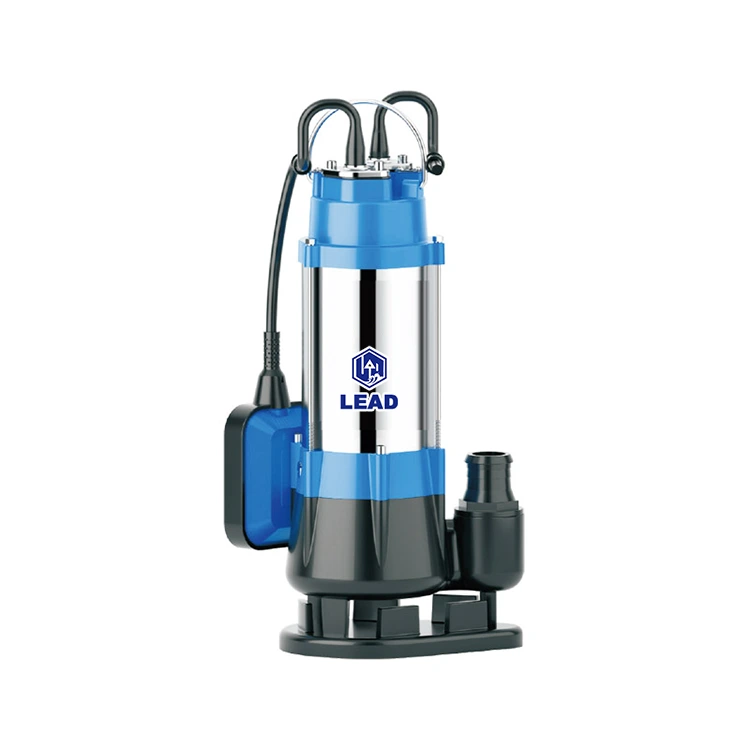
LEAD PUMP solar irrigation systems reflect a growing shift in Africa’s agricultural water management, where farmers are adopting solar-powered pumping to address limited grid access and rising diesel costs. Across Kenya, Nigeria, and Tanzania, different farm scales are exploring PV-powered irrigation models to improve dry-season production and build more reliable water supply networks.
Africa holds roughly 60% of the world's uncultivated arable land, yet only 5–6% of its cropland is irrigated, versus a global average of about 20%. Most of sub-Saharan Africa enjoys 4.5–6.5 kWh/m²/day of solar irradiation — among the best on earth — while rural grid coverage often stays below 30%.
Diesel pumps face three crushing problems: volatile fuel prices, difficult transport, and high maintenance. In remote farms, delivering one drum of diesel can cost more than the fuel itself. Solar pumps flip the equation: PV modules last 25+ years, daily operation costs are near zero, and pairing with a storage tank gives 'pump by day, use all day' reliability.
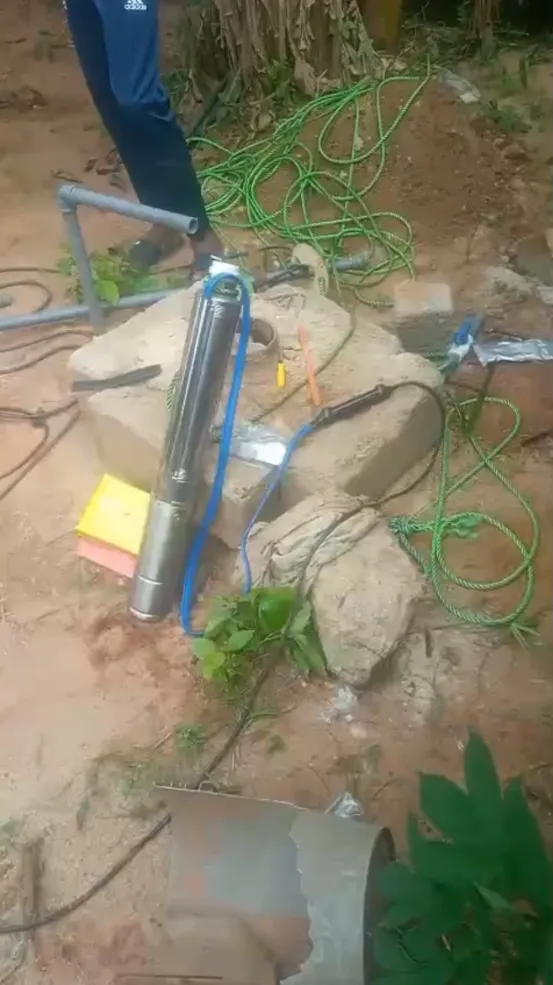
That is the logic behind Africa's fast-growing solar irrigation market: sunshine is abundant, water is available — the missing link was affordable, reliable pumping power, and solar pumps fill exactly that gap.
Kenya is one of East Africa's fastest-growing solar irrigation markets. Typical users are smallholders with 0.5–2 ha who used to farm one rainy season and idle through the dry one.
Typical setup: a 3" or 4" DC/AC solar submersible pump of 1.5–3 kW, 30–60 m head, feeding drip lines and a 2–5 m³ storage tank; daily output of 10–30 m³ covers 1–2 ha of drip irrigation. The PV array is sized at 1.3–1.5× the pump power, roughly 2–4.5 kW.
Business model: turnkey delivery (equipment + installation + training) with PAYGO financing (M-KOPA, SunCulture and similar), so farmers pay a small down payment and repay in daily/weekly micro-instalments. Dry-season vegetable production becomes possible — even a second or third harvest per year — and household incomes typically rise 2–3×.
Key lesson: smallholders need installation and training more than hardware. Wrong pipe connections, clogged filters and neglected silt traps cause far more failures than equipment faults. The local dealer's service and training capability decides project success.
Northern Nigeria faces 5–7 rainless months every year, but groundwater is abundant. Farmers used to run deep-well pumps on diesel — fuel alone ate most of their profit.
Typical setup: a 4" solar deep-well submersible pump, 40–80 m head, 1.1–5.5 kW, with a 4–8 kW PV array. Co-operatives often use a 'central pumping + shared distribution' model: one large pump fills a raised storage tank and farmers draw water on demand.
Business model: government and NGO subsidy programmes are common (30–70% co-funding), with co-op pooling and micro-loans as the main financing routes. The Nigerian market runs both 220V/50Hz AC pumps and DC pumps in parallel — AC suits grid/generator hybrid sites, DC suits fully off-grid sites, so serious dealers stock both.
Key lesson: Nigerian buyers care deeply about after-sales response. Losing a pump for one season means losing one harvest, so brands with local spare-parts stock and repair points command a clear price premium.
Tanzania's horticultural export and rice sectors are mechanising fast. Commercial farms of 2–10 ha are the core customers — and they buy systems, not single pumps: PV + pump + storage + pipe network.
Typical setup: 7.5–15 kW solar pumps (4"–6" submersibles or surface centrifugal pumps) with 15–25 kW PV arrays, large storage reservoirs and sprinkler/semi-fixed pipe networks. Controllers need MPPT and VFD functions; daily output must be designed around 6–8 effective sun hours, not peak-power guesswork.
Key lesson: the classic failure is 'enough PV, wrong pump'. Sizing must use measured dynamic water level and recovery rate — not the borehole's nameplate depth — and leave 15–20% output margin for cloudy spells.
· 1) Assess the water source first: measure depth, dynamic water level and recovery rate; never size from nameplate head alone.
· 2) Match the system: pump power from 220W to 15,000W; PV array at 1.3–1.5× pump power; use an MPPT controller.
· 3) Never skip protection: low-water cut-off (anti dry-run), anti-reverse rotation, lightning protection and correct cable sizing.
· 4) Localise service: dealer spare-parts stock plus on-site installation training drives repeat business in Africa.
· 5) Combine financing models: PAYGO instalments, co-op pooling, and government/NGO subsidies.
· Sizing from borehole depth instead of dynamic water level → underpowered system, dry-season failure, even pump burnout.
· Careless PV orientation and tilt → 30% output loss, system 'can't keep up'.
· Undersized cables or unsealed joints → voltage drop and repeated faults.
· No local spare-parts stock → a single seal takes a month to arrive; customers walk.
· Power range: 220W–15,000W — DC, AC and AC/DC dual-mode, from smallholders to commercial farms.
· OEM/ODM: minimum order 50 units per model, with private-label and customisation support.
· Certifications: CE, RoHS, ISO 9001:2015.
· Warranty: 2-year pump + 1-year controller warranty, replacement on any issue (FOB China, no questions asked).
· Africa localisation: Nigeria, Tanzania, Kenya, South Africa, Ghana, Cameroon (local-currency payment available) — no forex headaches.
· Web: www.zjleadpump.com | Email: sales01@zjleadpump.com | WhatsApp: +86 195 6006 2010
Solar irrigation in Africa is not a future technology — it is a business happening now. Choose the right products, back them with service, and stay close to the ground, and the next decade belongs to those who move first.